

When you move into an apartment, you bring with you more than furniture, clothes, or kitchen items. You bring the things that make you unique. From your family jewelry to your coin collection, some items carry both financial and emotional value.
That’s why knowing how to protect valuables and how high-value item insurance coverage works in a standard renter policy is essential. We’ll break down what counts as a high-value item, how to ensure they’re covered, and more.
What counts as a high-value item?
Before you can understand your renters insurance coverage better, you need to know what qualifies as “high value.” Here are some of the most common high-value items:
- Jewelry, watches, and engagement rings
- Fine art or collectibles
- Musical instruments
- Designer clothing or handbags
- High-end electronics
- Sports gear or specialized equipment
Coverage under a renters insurance policy
Most renters insurance policies, including ResidentShield’s, cover personal belongings against risks such as theft, fire, smoke, or water damage. Additionally, they include specific limits or exclusions for high-value items.

For example, your renters insurance may cover up to $1,500 for jewelry. If you own a ring worth $2,000 that gets stolen, you’d pay the difference minus your insurance deductible.
Here’s what’s typically covered under ResidentShield Insurance for valuable items:
- Money and coins: Up to $200 for loss.
- Securities, manuscripts, and stamps: Up to $1,500 for loss or damage.
- Silverware, goldware, or platinum-plated items: Up to $2,500 for loss or theft.
- Jewelry, watches, precious and semi-precious stones: Up to $1,500 for loss or damage due to theft.
The following items are covered for their actual cash value at the time of loss (not their full replacement cost), up to the amount needed to repair or replace them:
- Fine arts, antiques, and other rare articles that cannot be replaced.
- Memorabilia, collectibles, and other similar articles whose age or uniqueness contributes to their value.
How to keep high-value items insured the right way
Once you know what you own and its worth, it’s time to make sure it’s properly covered. Here are the steps:
1. Take inventory of your valuables
Start by listing every high-value item in your apartment. Include:
- Descriptions (brand, model, serial number)
- Purchase receipts or appraisals
- Photos or videos for proof of ownership
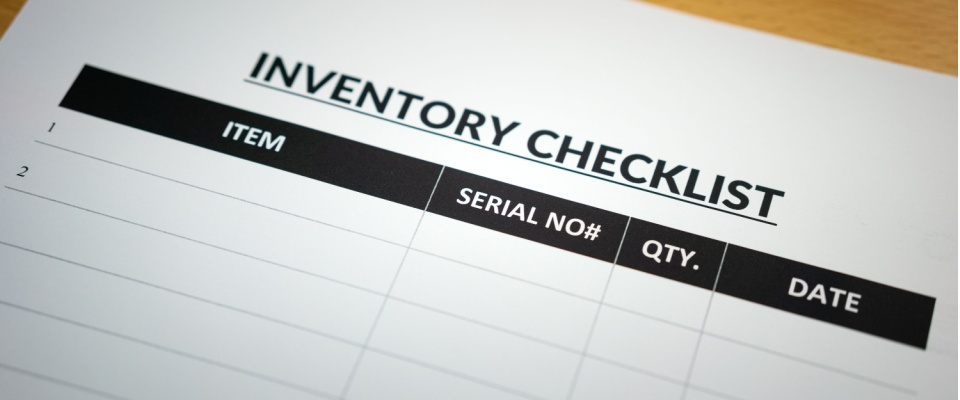
It’s also a good idea to update your inventory once or twice a year, especially after big purchases or life changes like moving or getting engaged.
Why documenting your belongings matters
Having documentation ready makes it easier to file a claim if something happens, and it helps your insurer verify the value. For unique or antique items, professional appraisals are especially important. They can establish value at the time of coverage and help avoid disputes later.
2. Check your current policy limits
Review your renters insurance policy and look for the section mentioning coverage limits. That’s where you’ll find how much coverage is available for categories like jewelry or other valuable items.
If your policy includes endorsements (or coverage add-ons), check for any limitations on those as well. You can find additional details about ResidentShield’s high-value item endorsement limits in the section above.
If you’re not sure what your policy’s limits mean, contact your insurance provider. They can help clarify how claims would work in your specific case.
3. Consider a separate valuable items policy
If you have several expensive belongings or a high total value, a standalone policy may make more sense. These policies often cover risks that standard renters insurance doesn’t.
Keeping your coverage up to date
Life changes, and so does what you own. Maybe you started collecting vinyl or bought a new watch. Just as it’s important to review your inventory list, you should also review your insurance at least once a year to make sure your coverage still reflects your valuables’ worth.
Don’t forget to remove items you’ve sold or replaced, and adjust coverage limits as needed. Staying proactive keeps your policy accurate and your valuables protected.

Learning how high-value item insurance coverage works gives you financial coverage and peace of mind. Protecting the things you value most is an act of self-care and responsibility. Whether it’s a family heirloom or your favorite painting, making sure it’s fully insured means you’re ready for whatever comes your way.
Key takeaways:
- Standard renters insurance typically covers high-value items like jewelry, fine art, and collectibles based on specific limits.
- Documenting your valuables with receipts, appraisals, and photos is key to a smooth claim process.
- Reviewing and updating your coverage regularly ensures your insurance keeps up with your lifestyle.
Frequently asked questions
A: Not entirely. Renters insurance covers personal belongings but has payout limits for specific categories like jewelry or collectibles. To fully protect expensive items, you may need additional coverage.
A: A rider (or endorsement) adds coverage for individual items to your renters insurance policy. A separate policy offers more extensive protection and is often better for multiple or very high-value items.
A: Yes, in most cases. Appraisals or purchase receipts are required to verify an item’s value before it can be scheduled for coverage. They may also help ensure accurate claim payouts later.