
Spring break should feel like a reset, not a week spent worrying about theft, property damage, or expensive surprises. Whether you're traveling or staying home while your roommates are out of town, smart preparation protects your space, belongings, and wallet.
Here's how to prepare for vacation the right way.
Secure your apartment before traveling
If you're heading out of town, protecting your empty apartment comes first. Here are some things you should do to prepare.
Lock everything properly
Many break-ins happen because of simple oversight. Travel-heavy periods make properties more attractive targets, especially when multiple residents in your building are away.
Before leaving:
- Double-check all door and window locks.
- Secure sliding doors and add a security bar if available.
- Close blinds so your valuables aren't visible from outside.
- Remove spare keys from obvious hiding spots.
- Lock balcony doors.
Prevent water and fire damage
Unplug small appliances and electronics like coffee makers, air fryers, and space heaters. This lowers fire risk and can save on your electric bill while you’re gone.
If your area is prone to spring storms, unplugging electronics also helps protect them from power surges.
Traveling? Do it in a smart way.
Spring break often means road trips, flights, festivals, and crowded tourist spots. These environments can create safety risks if you’re not paying attention.
Protect your valuables
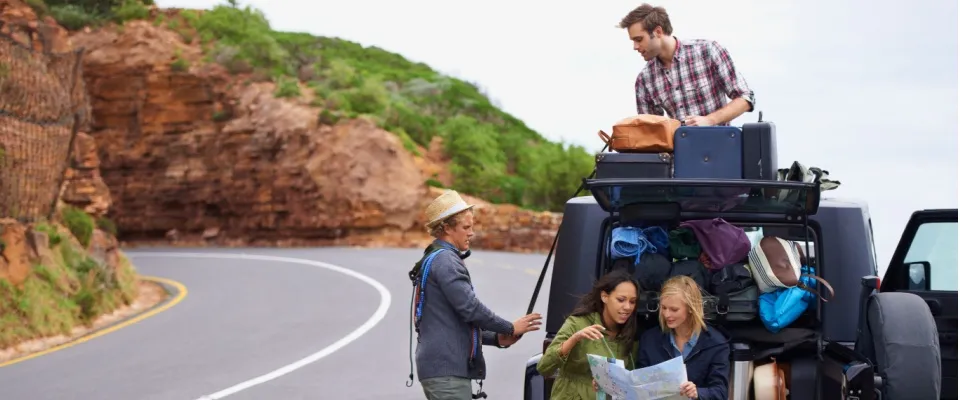
Crowded beaches and nightlife areas are prime spots for pickpocketing and theft. Here are some ways you can protect your property:
- Don’t leave phones or wallets unattended.
- Use hotel safes when available.
- Avoid carrying large amounts of cash.
- Keep bags zipped and in front of you in crowded areas.
- If you’re driving, never leave valuables visible in your car. Smash-and-grab thefts happen fast.
Keep your identity and finances safe
Travel scams increase during peak seasons like spring break. To better protect your data:
- Use secure Wi-Fi networks.
- Avoid logging into banking apps on public Wi-Fi without a VPN.
- Watch out for fake booking websites or rental listings.
- Review your bank transactions regularly during your trip.
If your wallet or phone is stolen, freeze your cards and change important passwords immediately.
Travel in groups
There’s a reason safety experts always recommend the buddy system. If you’re at a concert, bar, or beach, stick with at least one trusted friend. Before you go out, make a plan for how you’ll reconnect if someone gets separated.
Share your location with a close friend or family member back home, especially if you’re traveling out of state.
Staying home? Stay safe.
Not everyone travels during spring break. If you're staying home, your routine may still change, especially if your roommates plan to travel.
If your building feels quieter than usual, pay attention to:
- Propped-open doors.
- Strangers following residents through secure entrances.
- Unfamiliar activity in hallways or parking areas.
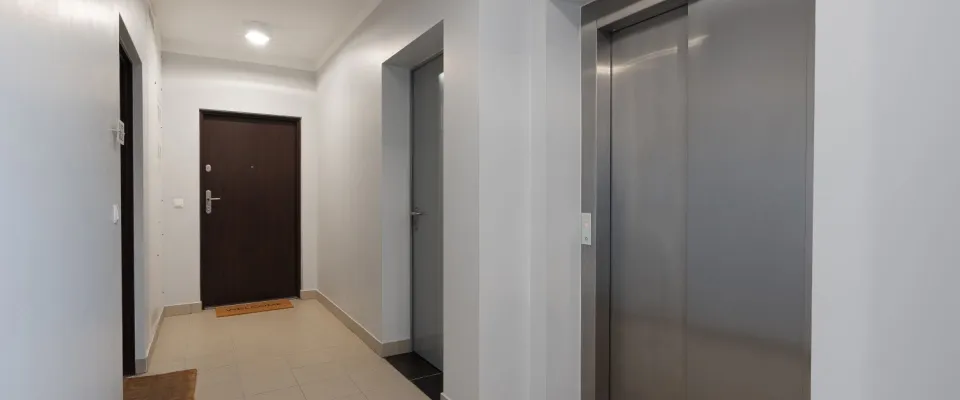
Report suspicious activity to building management. Vacation security means watching out for your community, too.
Hosting guests? Protect your space and lease.
If you’re spending spring break at home and friends or family are coming to you, you might want to review some things to ensure they’re able to stay with you.
Know your guest policy
Many leases limit how long guests can stay. Extended visits could violate your lease agreement. Before inviting someone for the week:
- Review your lease terms.
- Check with management if you're unsure about policies.
- Follow parking rules for guest vehicles.
Reduce liability risks
Accidents happen more often when extra people occupy your space. To minimize risk:
- Keep walkways clear.
- Secure rugs to prevent slipping.
- Prevent balcony overcrowding.
- Store cleaning supplies and medications safely.
Prepare for spring weather
Spring storms can cause power outages, flooding, and wind damage. Here are a few simple ways to stay prepared:
- Check weather forecasts for your area.
- Move lightweight balcony furniture inside.
- Ensure windows are completely closed.
If your region experiences severe storms, consider unplugging major electronics to prevent power surge damage.
If you're staying home, sign up for local emergency alerts to receive severe weather warnings in real time and keep your emergency contact list updated.
Know your renters insurance coverage
Many renters don't realize their insurance may cover:
- Theft from your apartment.
- Theft from your car (while parked at your old or new apartment, or while in transit during the move).
- Damage from fire or certain water incidents.
- Personal liability if someone gets injured in your space.
If you're bringing expensive electronics on your trip, check your policy's personal property limits. Understanding coverage limits provides clarity when you need it most.

Vacation security may seem like you should plan every detail, but it’s actually about protecting your apartment, belongings, and financial stability while you take a break from routine.
Small actions like those mentioned above reduce the chances of returning home to unexpected problems. You deserve a break that doesn't create stress later.
Key takeaways:
- Secure your apartment before traveling by locking doors, managing deliveries, and preventing water or electrical issues.
- Follow lease rules and reduce liability risks if you're hosting guests in your apartment.
- Prepare for travel and weather-related risks to avoid property damage and unexpected expenses.
- Review your renters insurance coverage so you understand what's protected during vacation travel.