
Snowy weather can turn a routine winter morning into a slippery, stressful challenge for apartment dwellers. While renters typically aren't responsible for clearing parking lots or main walkways, wintry conditions still affect daily routines, safety, and access to your home.
By understanding a few essential techniques and preparing in advance you can stay safe, avoid injuries, and protect your belongings during winter storms.
Here’s everything you need to know about snow shoveling safety.
Know your responsibilities
Most apartment communities assign property management to handle winter maintenance for shared areas like sidewalks, entryways, and parking lots. However, before a winter storm hits, checking your lease or community rules ensures you understand exactly what's covered.
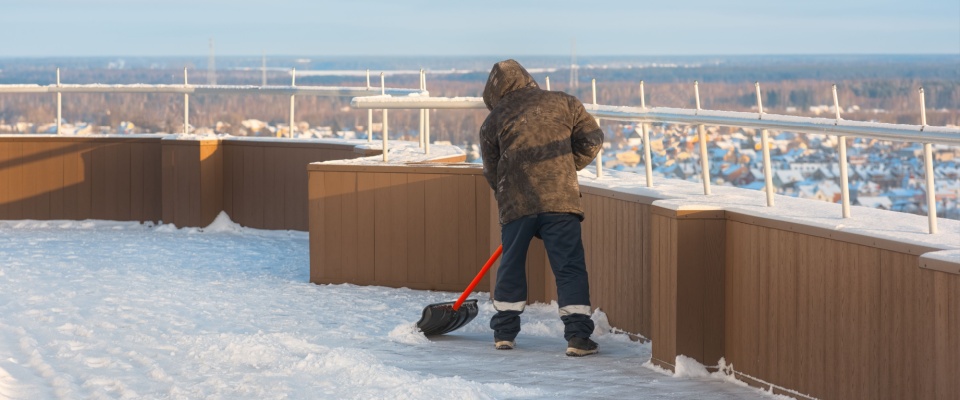
You may still need to manage small areas like your private patio, balcony, or the path from your door to your car. Even when winter maintenance isn't officially your responsibility, staying aware of icy spots helps you avoid falls and protect personal belongings.
Dress for safety before heading outside
Cold weather and slippery surfaces significantly increase injury risk, especially when you're inadequately dressed. Appropriate clothing supports safe winter navigation by keeping you warm, balanced, and alert while moving through snowy areas.
Here are some items you should invest in to get through winter:
- Wear waterproof boots with good traction to prevent slips.
- Gloves provide essential warmth and grip, while a heavy coat maintains stable body temperature.
- During active snowfall or windy conditions, a hat and scarf protect your face and ears from frostbite.
Choose the right tools when needed
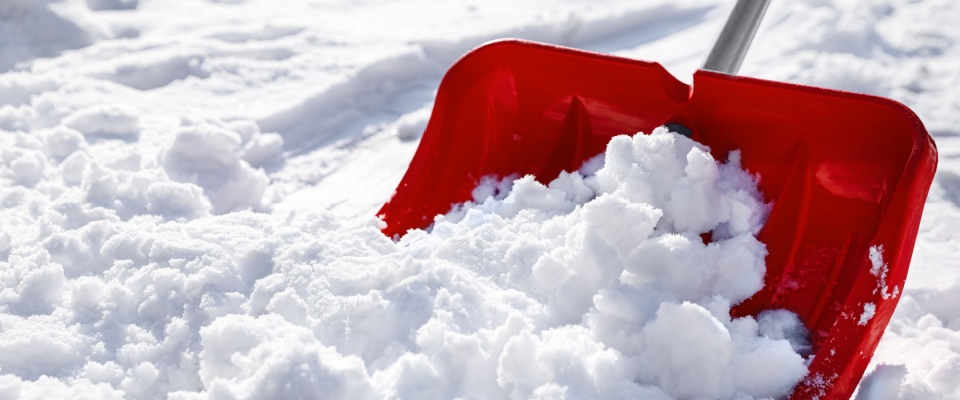
If you need to clear a small area, use lightweight tools designed for residential use. For example, a compact shovel or snow pusher works more effectively than oversized equipment and reduces physical strain.
Avoid makeshift tools like dustpans or baking sheets. They're ineffective and increase the risk of muscle strains. For icy areas, use pet-safe ice melt rather than rock salt, particularly on balconies or near drains where runoff matters.
Never use sharp tools to chip ice, as they can damage concrete surfaces or create dangerous flying debris.
Practice safe shoveling techniques
Safe shoveling techniques are crucial for renters who may not shovel regularly and aren't accustomed to the physical effort. Shoveling snow can strain your back, shoulders, and cardiovascular system if done incorrectly.
Here are a few tips to keep you safe:
- Always lift small amounts rather than heavy loads.
- Bend at your knees, not your waist, and keep the shovel close to your body.
- Take frequent breaks, especially with heavy or wet precipitation.
- If you feel short of breath, dizzy, or unusually tired, stop immediately.
Watch for ice and hidden dangers
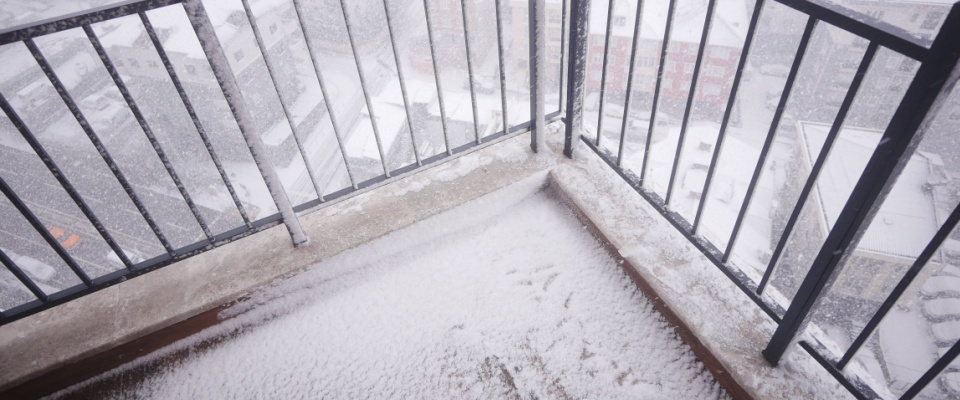
Snow isn’t the only winter danger. Ice can form overnight or hide beneath fresh snowfall, making walkways and stairs particularly dangerous.
Keep these good practices in mind when dealing with ice:
- Walk slowly with short steps, keeping your hands free for balance.
- Avoid carrying heavy items on icy surfaces.
- When you notice untreated ice in shared areas, report it to property management rather than attempting repairs yourself.
- Inside your apartment, place mats near entry doors to catch melted precipitation and prevent slippery floors.
Protect your vehicle during winter storms
Vehicle maintenance matters too. Clear all surfaces, such as the windshield, mirrors, roof, and headlights, before driving. Snow left on your car can slide onto your windshield while driving or blow onto other vehicles, creating hazards.
Use a snow brush instead of sharp scrapers to avoid damaging glass or paint. For cars parked outside, consider a windshield cover to simplify morning cleanup.
Know when to stay indoors
Sometimes the best winter safety tip is knowing when to wait. During active storms or freezing rain (when precipitation freezes on contact), conditions can change fast and become dangerous.
When possible, delay errands until walkways are cleared and treated. Many injuries happen when people venture outside before maintenance crews complete their work. Staying inside during severe conditions is often the safest choice.
Communicate with property management
When ice or snow isn't addressed in common areas, report it promptly to the person outlined in your lease. Clear communication prevents accidents and ensures shared spaces remain safe for everyone.
Avoid taking on maintenance tasks beyond your responsibility, as this increases injury risk and potential liability. You’ll also want to document concerns so that management can handle them appropriately.
Snowy weather is part of winter life in many places, but it doesn’t have to catch you off guard. Winter safety is a lot about making informed choices, and these basic snow shoveling safety practices can help you do that.
By understanding your responsibilities, using appropriate tools, dressing properly, and practicing safe techniques, you can reduce risks and stay comfortable throughout the season.
Key takeaways:
- Most apartment renters aren't responsible for clearing shared areas, but understanding your role helps you stay safe.
- Proper winter clothing and footwear are essential for preventing slips and injuries.
- Safe shoveling starts with correct technique and avoiding overexertion.
- When conditions are dangerous, waiting for professional maintenance is often the safest option.