
Power outages aren’t always accidental. In many parts of the U.S., utilities now use planned outages to keep the electric system from failing during periods of heavy demand. These outages, known as rolling blackouts, can catch renters off guard, especially if they happen during extreme heat, busy workdays, or overnight hours.
For renters, understanding why rolling blackouts happen and what to expect helps you prepare, protect your belongings, and avoid unnecessary stress when the power goes out. Here’s everything you need to know about rolling blackouts.
What is a rolling blackout?
A rolling blackout happens when electricity demand exceeds what the power grid can safely handle. This often occurs during extreme heat waves, cold snaps, or energy supply shortages. To prevent a widespread outage that could last days, power companies rotate outages across different neighborhoods.
During a rolling blackout, your power may be off for a certain amount of time before it’s restored, and then another area will lose power. The goal is to reduce strain on the grid while keeping outages as short and controlled as possible.
Unlike sudden outages caused by storms or accidents, rolling blackouts are intentional and usually planned ahead of time, even though renters don’t always get much warning.
Rolling blackout vs. standard blackout
Many renters use the terms interchangeably, but a rolling blackout and a standard blackout are not the same thing.
Here’s a simple comparison:
Rolling blackout
- It’s planned and controlled by utility companies.
- It rotates between neighborhoods on a set schedule to reduce strain on the grid.
- It’s usually short-term.
- It’s used to prevent larger system failures.
Standard blackout
- It’s unexpected and unplanned.
- It typically happens because of severe weather, downed power lines, equipment failure, or grid damage.
- It may last several hours or days.
- It requires repairs before power returns.
For renters, the key difference is predictability. During a rolling blackout, your power should come back on once your area’s scheduled window ends. With a standard blackout, restoration depends on how quickly the issue can be fixed.
Why do rolling blackouts happen?
Rolling blackouts are a sign that the power grid is under stress. Common reasons include:
- Extreme weather: Heat waves drive up air conditioner use, while cold snaps increase heating demand.
- High population demand: Cities and dense apartment areas use large amounts of electricity at the same time.
- Limited energy supply: Power plant maintenance, fuel shortages, or reduced renewable energy output can lower available electricity.
- Aging infrastructure: Older grids may struggle to handle modern electricity needs.
How long does a rolling blackout last?
Most rolling blackouts are designed to be short. Many last around one hour, though the timing can vary depending on local conditions. In severe cases, your area could experience multiple outages in one day.
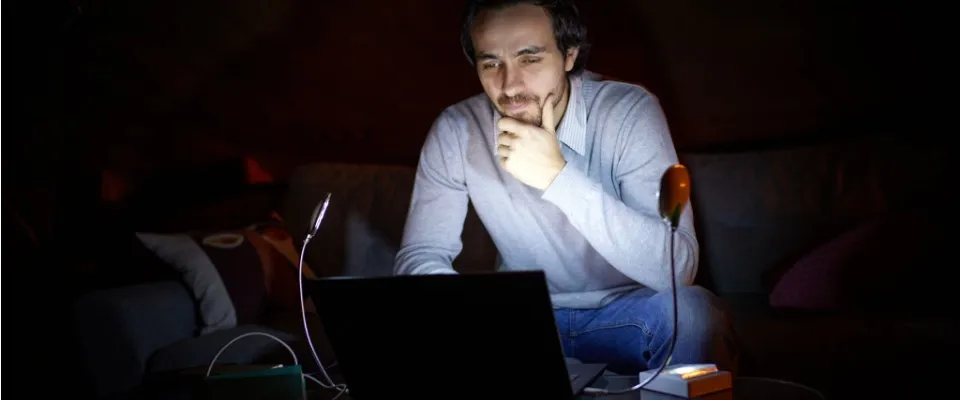
Utility companies typically try to avoid cutting power overnight or for extended periods. However, during major heat waves or emergencies, schedules can change quickly.
How do rolling blackouts affect apartment living?
Living in an apartment can make a rolling blackout feel more disruptive. Elevators may stop working, electronic door systems might switch to backup modes, and shared amenities like laundry rooms or gyms may close temporarily.
Inside your unit, you might deal with:
- No air conditioning or heat
- Spoiled food if outages repeat or last too long
- Lost internet during work-from-home hours
- Limited phone charging options
What should you do during a rolling blackout?
When a rolling blackout happens, treat it as temporary. Here’s what you can do:
- Unplug sensitive electronics to protect them from power surges when electricity returns.
- Use your phone sparingly to conserve battery life.
- Check on neighbors if it’s safe to do so, especially those who might need extra help during an outage.
If you rely on medical devices that require power, contact your utility company ahead of time. Some providers keep a list of customers who need priority consideration, though outages may still occur.
What happens after a rolling blackout?
When a rolling blackout ends, power usually returns automatically to your apartment. You typically don’t need to reset your breaker or contact the utility company unless electricity doesn’t come back after your area’s scheduled outage window.
Take a minute to double-check that everything works properly in your apartment:
- Check your appliances (including your fridge and freezer).
- Look for power surges.
- Confirm your internet connection.
- Check your fridge and freezer.
- Pay attention to follow-up alerts. In extreme weather conditions, more than one rolling blackout may occur in a day.
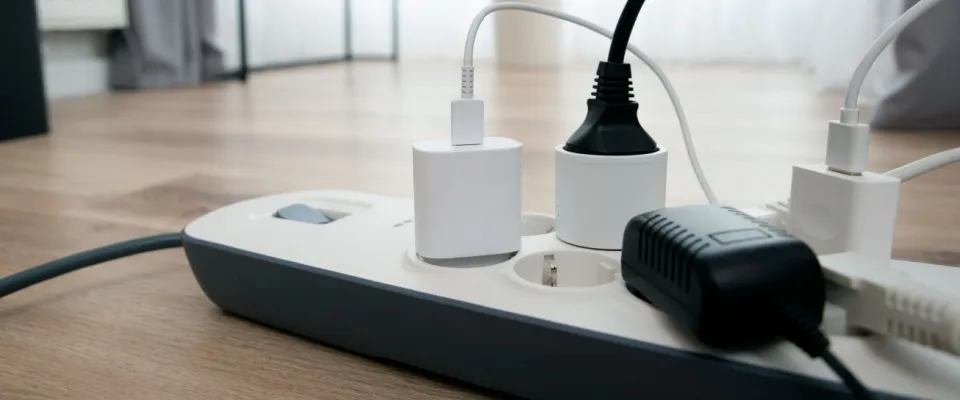
Rolling blackouts are designed to prevent bigger, longer-lasting power failures, but that doesn’t make them any less disruptive for renters. When electricity shuts off without warning, daily routines can grind to a halt, especially in apartment buildings that rely on power for access, comfort, and communication.
While you can’t control when the power goes out, knowing how rolling blackouts work and what to do, you’ll be able to handle these outages with more confidence and calm.
Key takeaways:
- A rolling blackout is a planned, temporary power outage used to protect the electric grid.
- Rolling blackouts are different from standard blackouts, which are unplanned and usually caused by weather or equipment damage.
- Most rolling blackouts last around one hour and rotate between neighborhoods.