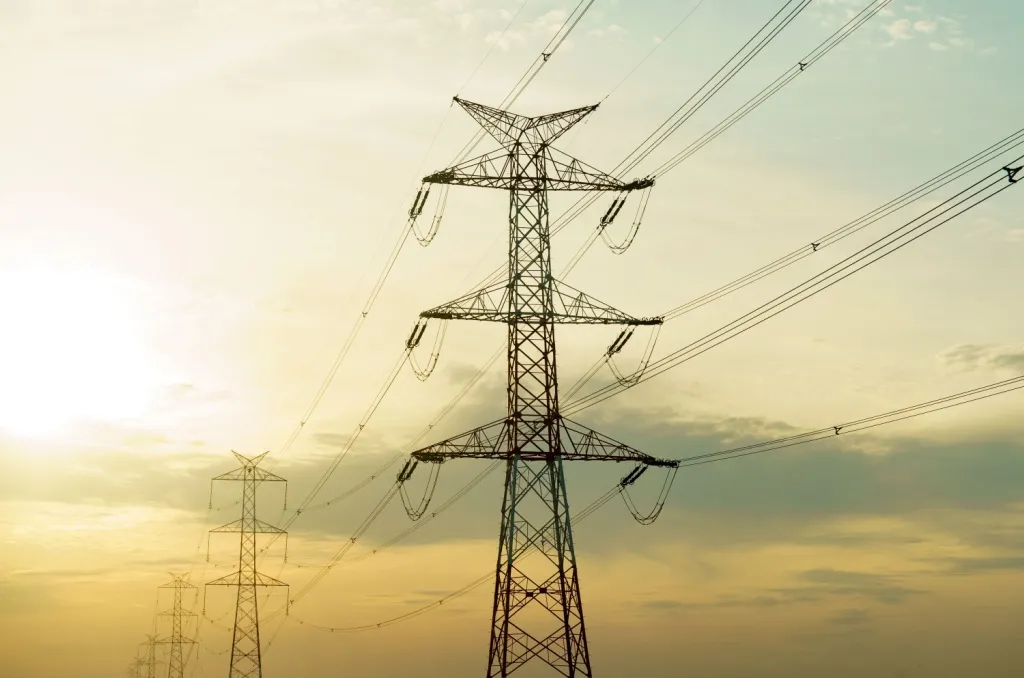

Your electric bill includes more than just the cost of electricity. If you look closely, you’ll see charges for delivering that electricity to your apartment. These are called Transmission and Distribution Utility (or TDU) charges, sometimes also listed as Transmission and Distribution Service Provider (TDSP) charges. They can make up a significant portion of your monthly bill, especially in deregulated energy markets.
These charges affect how much you pay each month and stay the same no matter which retail electricity provider you choose in deregulated areas.
Here's everything you need to know about TDU delivery charges and how they work, so you can better estimate your energy costs and avoid surprises.
What are TDU charges?
Transmission and Distribution Utility charges cover the cost of moving electricity from power plants to your apartment.
Here’s how it works:
- Transmission: High-voltage power lines carry electricity over long distances from power plants to local areas.
- Distribution: Local lines and equipment deliver electricity from substations to individual homes and apartment buildings.
The company that owns and maintains this infrastructure is called a Transmission and Distribution Utility (TDU). In some states, especially in deregulated energy markets like Texas, you can choose your retail electricity provider, but you don’t have the option to choose your TDU because it operates the local grid as a regulated utility. Even if you switch electricity providers, your TDU remains the same, as it’s tied to your location.
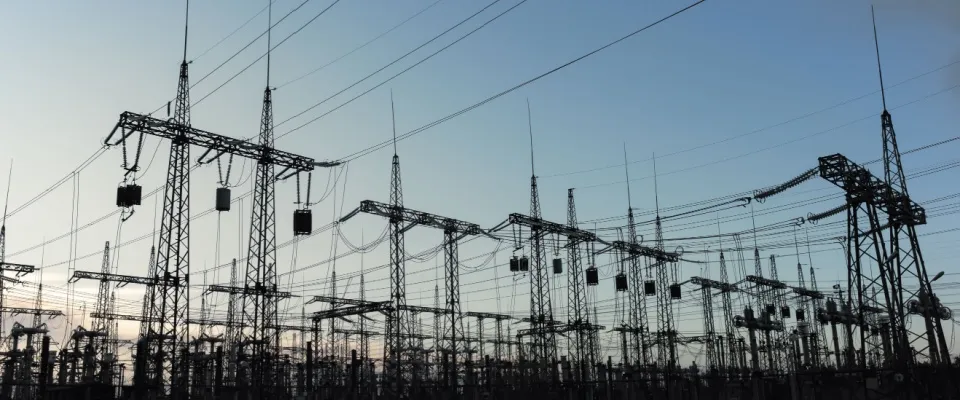
If you live in an apartment and pay your own electric bill, you help cover the cost of maintaining the grid that serves your building.
What makes up TDU delivery charges
TDU delivery charges typically include two parts:
- A fixed monthly charge. This is a flat fee that you pay regardless of how much electricity you use.
- A usage-based charge. This is calculated per kilowatt-hour (kWh) and increases as your electricity consumption increases.
These charges fund:
- Routine maintenance of power lines
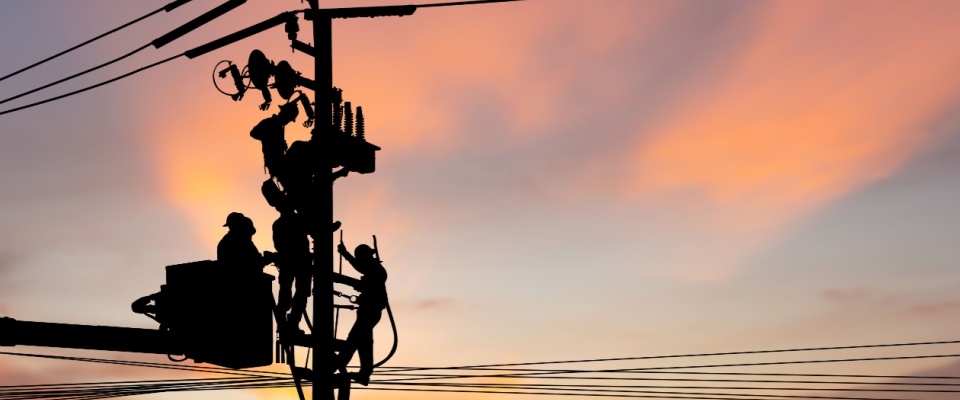
- Storm repairs and outage response
- Meter reading and meter upgrades
- Infrastructure improvements
Even though you don’t see power lines being repaired or substations being upgraded, those systems require constant maintenance and investment.
TDU delivery charges vs. energy charges
Many renters confuse energy charges with delivery charges, but they are two separate components on your bill.
- Energy charges pay for the electricity itself. This is the rate you compare when shopping for plans in a deregulated market.
- TDU delivery charges pay for delivering that electricity to your home.
When comparing plans, some advertised rates include TDU delivery charges, and some list them separately. Always check the Electricity Facts Label (EFL) or plan details to see how these charges are presented.
Why TDU delivery charges may change over time
You may notice that your charges sometimes increase or decrease over time. These changes usually happen because:
- The utility updates rates after regulatory review.
- Infrastructure upgrades increase costs.
- Storm damage or major repairs require additional investment.
State regulators review and approve these changes. The goal is to balance fair pricing for customers with the need to maintain a reliable electric grid.
If you see a change in your bill and your usage has stayed the same, check whether updated TDU delivery charges are the reason.
How TDU charges affect your apartment budget
For many renters, electricity is one of the largest monthly utilities. Understanding the breakdown helps you budget more accurately.
Here’s what you can do:
- Read your bill carefully. Look for separate lines for energy charges and delivery charges.
- Estimate your average monthly use. Multiply your kWh usage by both the energy rate and the per-kWh TDU rate.
- Factor in fixed fees. Add the monthly base delivery charge to your estimate.
What happens during a power outage?
When the power goes out in your apartment, your retail electricity provider is not the company that restores service. The TDU handles outage response and repairs.
Because the TDU maintains the physical grid, it is responsible for:
- Repairing downed lines.
- Replacing damaged equipment.
- Restoring electricity after storms.
That’s why you may need to contact the TDU directly to report an outage, even if another company supplies your electricity.
Transmission and Distribution Utility charges are a standard part of your energy bill, helping pay for the cost of how electricity reaches your apartment.
When you understand how they work and what they cover, you can read your bill with more confidence, make smarter decisions about your electricity plan, and gain more control over your monthly budget.
Key takeaways:
- TDU delivery charges pay for the power lines and equipment that deliver electricity to your home.
- These charges are regulated and usually the same regardless of your retail electricity provider.
- Your bill usually includes both a fixed monthly delivery fee and a usage-based delivery charge.
Frequently asked questions
A: In deregulated markets, yes. The TDU delivery charges are set by the utility and approved by regulators. They stay the same regardless of which retail electricity provider you select.
A: No. Your TDU is assigned based on your location. It owns and maintains the power lines in your area.
A: Yes. Most bills include a fixed monthly delivery charge plus a per-kWh charge. Even if your usage is low, you will still pay the base delivery fee.