
Paying too much for electricity can make renting feel more expensive than it should be. Many assume there’s not much they can do about high bills because they don’t own the apartment.
However, a home energy audit can help you understand exactly where electricity is wasted and what small changes can make a real difference. With the right tools and a little know-how, you can lower electricity use without breaking a lease or making permanent upgrades.
What is a home energy audit, and why should renters care?
A home energy audit is a way to review how electricity is used inside your apartment or rental home. It examines factors like heating and cooling, lighting, appliances, and drafts around doors and windows. The goal is to find out what uses the most electricity and where energy is being lost.
For renters, this matters because electricity costs are often one of the biggest monthly expenses outside of paying for the apartment itself. The best part is that an audit doesn’t require owning the property.
Doing a home energy audit in a rental
If you're a renter, you don’t need special permission to perform a basic energy audit, as you’re not making any structural or system changes. Many tools rely on utility data, temporary devices, or simple walkthroughs that don’t alter the property. You’re gathering information, not making changes to the building.
This makes audits practical for apartments. Even short-term renters can benefit from seeing how energy use changes throughout the day and across seasons.
Renter-friendly home energy audit tools
Several types of tools work well for rentals:
Online energy audit tools
Many utility companies offer free online tools that analyze your electricity usage. You answer questions about your space, appliances, and habits, and the tool highlights areas where energy may be wasted.
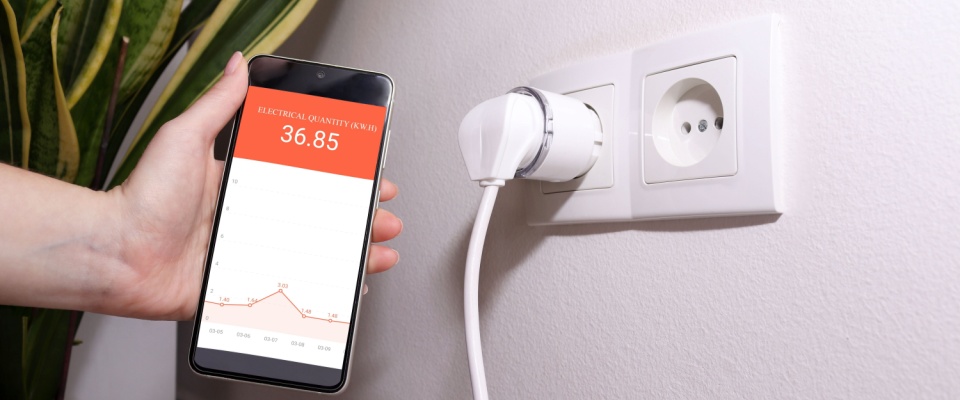
Smart plugs and energy monitors
These devices plug into outlets and show how much electricity specific items use. They’re especially helpful for spotting energy vampires in your apartment, like older TVs, gaming consoles, or space heaters.
Smart thermostats and sensors
If your rental allows it, smart thermostats and room sensors can provide insights into heating and cooling patterns. Even temporary use can reveal how much energy is lost when temperatures aren’t managed well.
DIY audit checklists
Simple walkthroughs help renters spot drafts, inefficient lighting, or poor airflow. While basic, they’re often the first step in a home energy audit.
How does a home energy audit help lower electricity bills?
A home energy audit turns guesswork into clear information. Instead of guessing why your bill is high, you can see the exact causes. Many renters are surprised to learn that small changes can lead to noticeable savings.
For example, an audit might show that your electronics draw power even when turned off but still plugged in, or that your air conditioner runs longer than needed because of heat gain through windows. Once you know the problem, the solution is often easy and low-cost.
Simple changes renters can make after an audit
After a home energy audit, you can take action without permanent upgrades. Here are some changes you can make to instantly improve your energy efficiency (and lower your bills):
- Switch to LED bulbs, which use far less electricity than older bulbs.
- Use smart power strips to reduce standby power from electronics.
- Adjust thermostat settings slightly to reduce heating and cooling costs.
- Seal temporary drafts with renter-safe solutions like door sweeps or window film.
- Change daily habits, such as running appliances during off-peak hours if available.

A home energy audit gives renters clarity, control, and confidence when it comes to electricity use. Instead of feeling stuck with high bills, renters can use simple tools to understand their energy habits and make smarter choices.
By identifying waste and focusing on renter-friendly fixes, an audit proves that lowering electricity costs is possible, even without owning the space.
Key takeaways:
- A home energy audit helps renters identify where electricity is wasted and how to fix it.
- Many audit tools are renter-friendly and don’t require permanent changes.
- Small adjustments after an audit can lead to noticeable savings on electricity bills.
- Energy audits support both lower costs and more sustainable apartment living.
Frequently asked questions
A: Yes, renters can do a basic home energy audit on their own. While professional audits usually require owner approval, many renter-friendly tools focus on usage patterns rather than structural changes. These tools rely on your utility data, smart devices, or simple checklists.
A: Even if you don’t plan to stay long, a home energy audit can still be worth it. Some changes lead to savings within a single billing cycle. Understanding your energy use also helps you make smarter choices in your next rental.
A: A basic home energy audit once a year or after a big change, like new appliances or seasonal weather shifts, is usually enough.