
For apartment renters, power outages reveal just how much daily life depends on electricity. From staying connected to keeping food fresh and running essential medical devices, we rely on electricity for just about anything.
Emergency blackouts can strike without warning, making backup power planning crucial for apartment living. This guide explains how to choose safe power solutions, use them effectively, and prepare for outages while following building safety requirements.
Choose indoor-safe backup power options
Apartments come with specific safety restrictions, so you need power solutions designed for indoor use. Fortunately, several renter-friendly options meet both safety standards and building requirements.
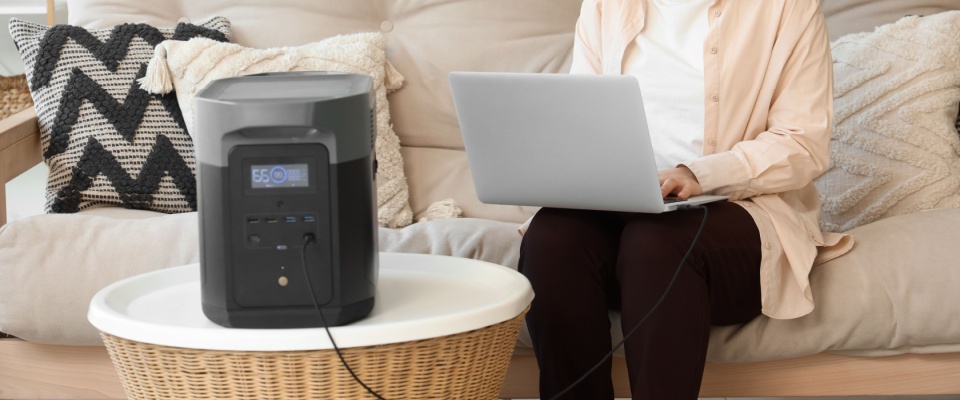
Portable power stations
Portable power stations are one of the safest and most versatile choices for apartment dwellers. These battery-powered units run silently, produce zero emissions, and can power smartphones, laptops, routers, small fans, and medical devices for hours.
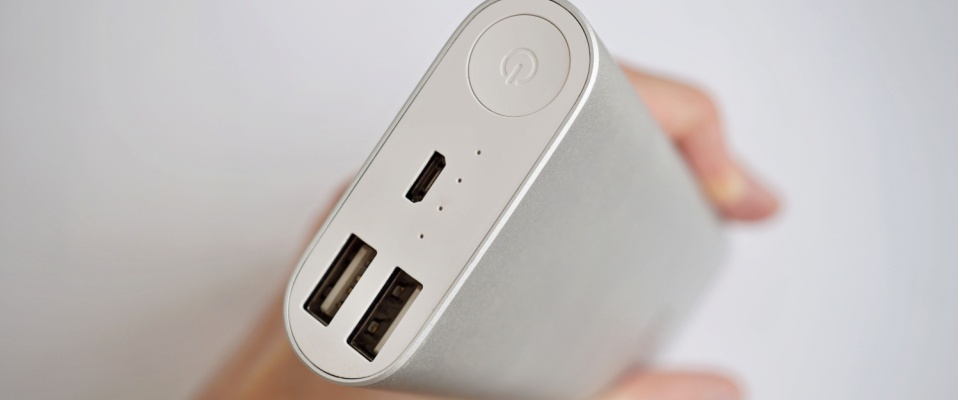
High-capacity power banks
These devices serve as excellent backup options for essential devices. While they won't power appliances, they can keep smartphones, tablets, and small electronics charged for extended periods during outages.
Apartment-friendly solar panels
If you’re allowed to use them, portable solar panels can recharge your power station during extended outages. Though they won't power devices directly, they extend your backup power duration when the grid stays down for multiple days.
Always buy from trusted brands and look for UL or similar safety certifications.
Prioritize essential devices first
Backup power has limits, so your first step during an outage is figuring out which devices matter most. Prioritizing important gear helps stretch your stored energy and keeps you prepared for extended emergencies.
Focus on powering:
- Smartphones for emergency alerts, communication, and updates.
- Medical devices like CPAP machines.
- Internet equipment, such as routers or mobile hotspots.
- LED lighting to safely move around your space.
- Low-wattage comfort items like small fans or heating pads (if your power station supports them)
One common issue renters face with backup power in their apartment during an emergency is draining their power station too quickly. Avoid energy-hungry appliances that drain batteries quickly. This includes things like space heaters, microwaves, hair dryers, or any device with heating elements.
Follow safe setup and usage practices
Even indoor-safe power solutions come with important safety precautions. Apartment spaces can make electrical mistakes particularly dangerous, so following safety protocols protects both you and your neighbors.
Here are some essential steps to stay safe:
- Ensure proper ventilation around power stations, which generate heat during operation.
- Avoid overloading outlets by checking your power station's capacity limits.
- Use LED lighting exclusively to reduce power consumption.
- Monitor battery levels regularly to know when to conserve energy.
- Store equipment properly when not in use, away from heat sources and moisture.
Never use gas-powered generators indoors, on balconies, or near open windows. They can release carbon monoxide, create fire hazards, and violate most building policies. Gas generators belong outdoors only, away from multi-unit buildings.
Communicate with building management
If you rely on electricity for health, mobility, or safety, talk with your building management about emergency procedures before an outage occurs. Your building may have backup resources or protocols that you could use.
Ask your building team about:
- Backup generators that power hallways, elevators, or common areas.
- Outlets available in shared spaces during extended outages.
- Building policies regarding portable power stations.
- Procedures for outages lasting longer than 24 hours.
- Emergency contact information and communication plans.
Prepare before emergency strikes
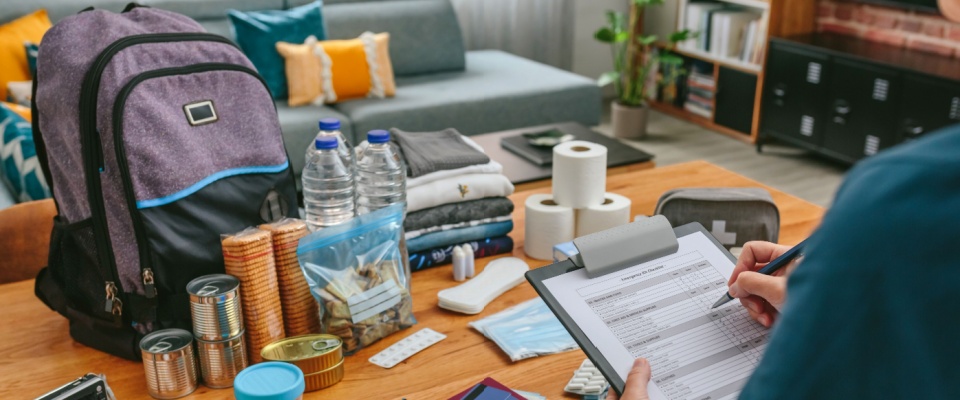
Preparation makes the difference between panic and confidence during power outages. Even in a limited apartment space, you can create an effective plan and a simple emergency kit that keeps you ready for storms, grid issues, or any sudden blackouts.
Power outages may feel overwhelming when you live in an apartment, but the right backup setup and preparation can make all the difference. By choosing safe, indoor-friendly tools, understanding how to use them wisely, and planning ahead, you can stay connected and confident through any emergency.
Key takeaways:
- Only indoor-safe backup power options are appropriate for apartment use.
- Battery stations and portable power banks keep essential devices running during outages.
- Gas-powered generators must never be used indoors, on balconies, or near windows.
- Smart planning helps backup power last longer and keeps your home safer.
Frequently asked questions
A: Power banks are smaller, designed primarily for charging phones and tablets. Power stations are larger, can power multiple devices simultaneously, and often include standard electrical outlets alongside USB ports.
A: Some larger power stations (1000+ watt-hours) may run a mini fridge for several hours, but most won’t power a full-size fridge for extended periods. Check both your refrigerator's wattage requirements and your power station's capacity before relying on this option.
A: Yes, as long as you use certified chargers and keep devices on open, stable surfaces. Avoid charging under blankets, pillows, or in enclosed spaces where heat can build up.
A: Check your lease agreement and double-check with your property manager. Always inform building management if you use backup power for medical devices.