
A winter vacation is a great way to recharge, whether you’re heading for a ski trip or escaping to a snowy cabin for a relaxing long weekend. But winter travel comes with its own set of risks, especially when you’re leaving your apartment empty for several days.
From icy roads to frozen pipes and travel delays, a little planning goes a long way in protecting your home while you’re away. These winter vacation safety tips are designed specifically for renters who want to enjoy their trip without worrying about what’s happening back home or what could go wrong while traveling.
Prepare your apartment before you leave
Before even packing your bags, take time to organize your apartment. Winter weather can cause real problems if no one is home to catch them early.
Start with the thermostat
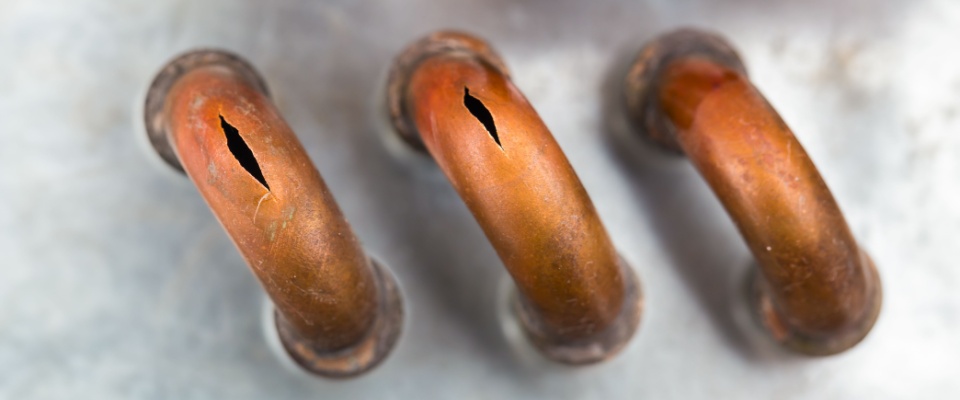
Don’t turn the heat off completely, even if you’re trying to save money. Set it to at least 55°F to help prevent pipes from freezing. Frozen pipes can burst and cause serious water damage, which is stressful to deal with after a trip.
Unplug small appliances and electronics
Make sure you don’t leave anything you’re not using plugged in when you leave for a trip during winter. This reduces fire risk and protects your devices from power surges during winter storms.
Keep everything secure
Security matters more during winter because longer nights and holiday travel can make apartments easier targets for crime. Lock all doors and windows, including sliding doors and balcony access points.
Don't forget to take out the trash, clean out the fridge, and set lights on a timer if you have one. A lived-in look can help discourage break-ins while you’re away on your winter vacation.
Be smart about winter travel
Winter travel is unpredictable, especially if you’re driving to a ski resort or flying during peak travel weeks in January. Always check the weather forecast before you leave and again on the day of travel.
If you’re driving, make sure your car is winter-ready. That means good cold-weather tires, windshield washer fluid rated for freezing temperatures, and an emergency kit. A basic kit should include blankets, a flashlight, snacks, water, and a phone charger. Snowstorms and icy roads can cause long delays, even on familiar routes.
If you're flying, consider getting to the airport with plenty of extra time and avoid tight connections if possible. Keep essentials like medications, a phone charger, and a change of clothes in your carry-on in case your checked bag gets delayed.
Stay safe at your winter destination
If you’re skiing or snowboarding, wear proper gear and know your limits. Many injuries happen when people push themselves too hard or ignore weather conditions. Always follow posted signs and resort safety rules.
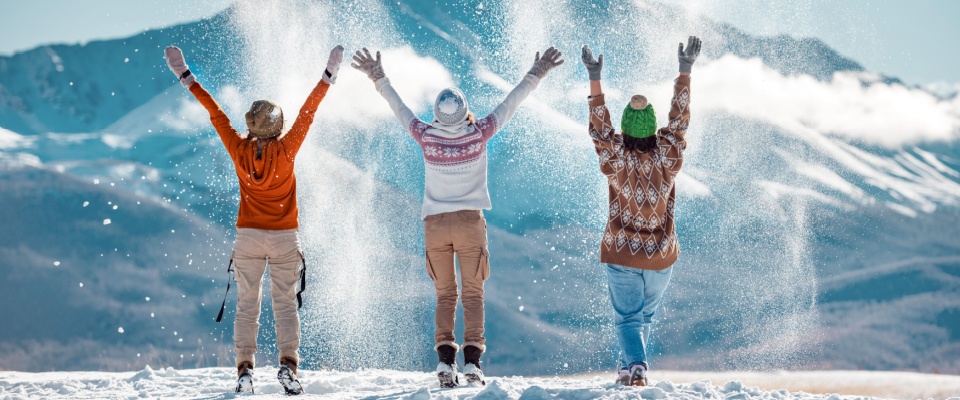
Cold weather also increases the risk of hypothermia and frostbite. Dress in layers, stay dry, and take breaks indoors when needed.
If you’re staying in a rental cabin or hotel, take a moment to locate emergency exits, fire extinguishers, and carbon monoxide detectors. Winter heating systems increase the risk of carbon monoxide issues, and it’s better to know ahead of time.
Watch out for winter health risks
Winter vacations can strain your body more than you expect. Cold air, physical activity, and travel fatigue can weaken your immune system.
Here are some simple tips you can follow:
- Stay hydrated, even if you don’t feel thirsty. Dry winter air can cause dehydration faster than you realize.
- Wash your hands often and carry hand sanitizer, especially in airports, ski lodges, and crowded indoor spaces.
- If you’re traveling with friends, set a plan for emergencies. Share itineraries, meeting points, and contact info so no one gets stranded or lost in bad weather.
Come home safely
Your return is just as important as your departure. When you get back to your apartment, check for any issues right away. Look for leaks, unusual smells, or signs of power outages. Catching issues early can prevent having to file a renters insurance claim later.
Take a few minutes to unpack safely, especially if you’re tired. Slips and falls can happen just as easily at home when you’re carrying bags on icy walkways or stairs.

Winter trips are often some of the most memorable, but they can also be the most unpredictable. Snowstorms, cold temperatures, and empty apartments create situations where small oversights may turn into bigger issues.
Take a little extra time to plan ahead, protecting your apartment, your belongings, and your personal safety while you’re away. That way, your winter vacation can stay focused on snowy days, cozy nights, and proper time off.
Key takeaways:
- Prepare your apartment before you leave to prevent winter-related damage.
- Plan for safe winter travel, especially if snow and ice are involved.
- Protect your belongings and personal information while you’re away.