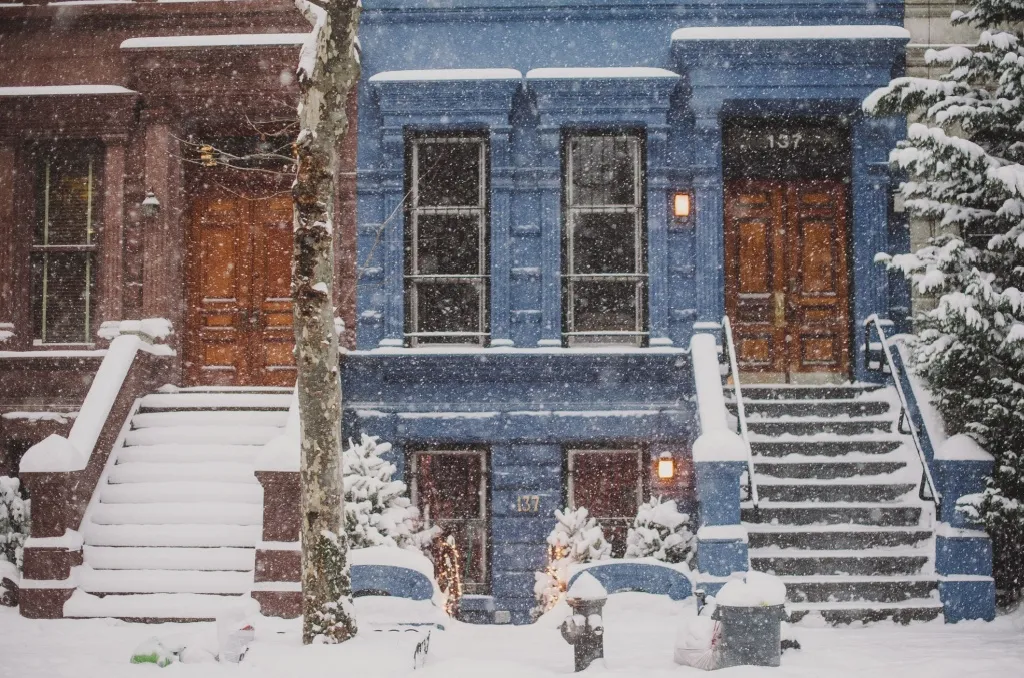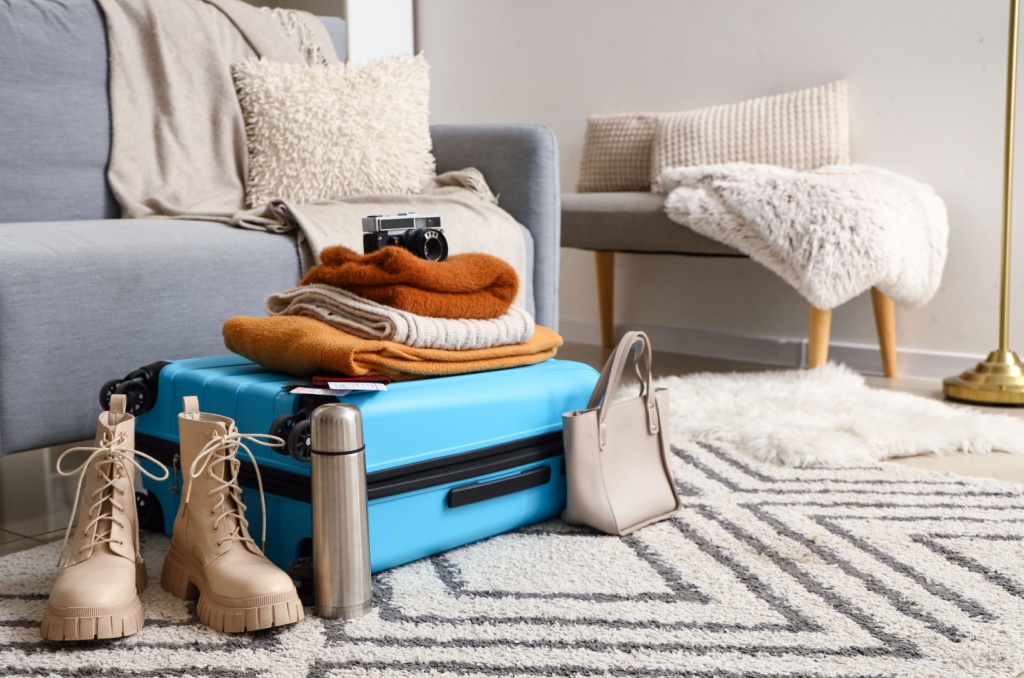

When there’s a winter storm warning, apartment living comes with its own set of challenges. You share walls, rely on centralized systems, and may not control how quickly snow gets cleared. That’s why knowing how to prepare for a winter storm in an apartment requires specific planning.
The best approach you can take is to think ahead about apartment-specific realities: shared heating systems, elevators, parking limitations, and limited storage space. With the right preparation, you can stay safe, comfortable, and in control, even if the storm lasts longer than expected.
Know your building's vulnerabilities
Before the storm arrives, take a few minutes to understand how your building handles extreme weather.
Consider these questions:
- Does your building rely on electric heat?
- Is there only one entrance that snow could block?
- Do you live on a higher floor that depends on elevators?
- Is your parking outdoors or in an exposed garage?
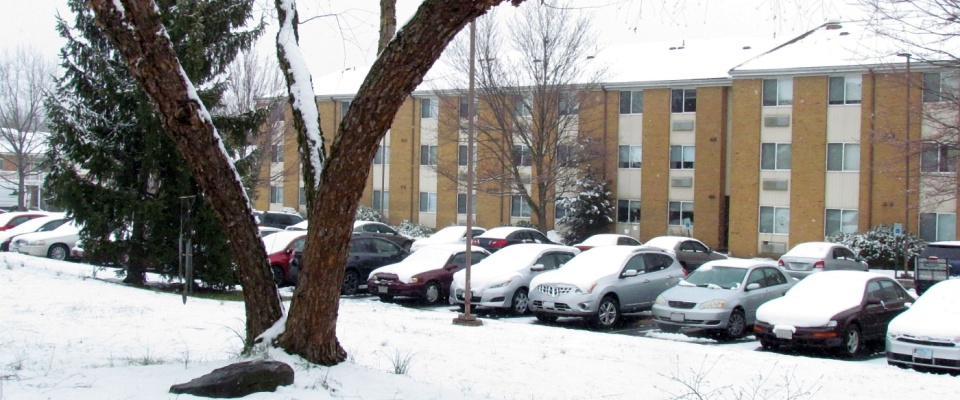
Buildings respond differently to winter weather. Electric heating means that power outages eliminate warmth. Living on the 12th floor makes carrying supplies challenging if elevators fail. Learning how to prepare for a winter storm in an apartment starts with understanding your setup rather than following generic advice.
Create a comfortable indoor environment
Extended storms can keep you inside for days. Plan for both physical comfort and mental well-being during isolation periods.
Make your space storm-ready by:
- Having movies or shows available in case Wi-Fi goes down.
- Charging all wireless devices and portable batteries.
- Gathering books, puzzles, or offline entertainment.
- Stocking easy-to-cook comfort foods.
Maximize your apartment's heat efficiency
Rather than simply turning up the thermostat, make your space more heat-efficient before temperatures drop.
Try these adjustments:
- Move furniture away from heating vents for better air circulation.
- Pull beds and couches slightly from exterior walls.
- Place rolled towels along balcony doors to block drafts.
- Add area rugs to bare floors to reduce heat loss.
Understand water risks in multi-unit buildings
In apartment communities, plumbing issues spread quickly. A burst pipe in one unit can damage multiple homes and disrupt building-wide water service.
Reduce your risk by:
- Locating your unit's water shutoff valve.
- Keeping your thermostat at reasonable levels overnight.
- Leaving interior doors open so warm air circulates evenly.
If the building management temporarily shuts off water as a precaution, fill containers in advance. This simple step provides backup during service interruptions.
Plan for delivery delays
Storms typically delay packages and mail service. If you're expecting important items like medications, work equipment, or time-sensitive deliveries, order early when forecasts predict severe weather.
If your building has a package room, keep in mind that access could be limited during heavy snow.
Review safety risks inside your unit
A surprising danger of winter storms is the increase in fire risks. Space heater use and overloaded electrical outlets can cause fires that spread to nearby units.
If you use a space heater:
- Keep it at least three feet away from furniture or bedding.
- Plug it directly into wall outlets, not an extension cord.
- Turn it off before sleeping or leaving your apartment.
To keep your apartment as safe as possible, there are a few things you can do. For example, test smoke and carbon monoxide detectors before storms arrive, and replace batteries if needed. On top of this, cold weather often means windows stay shut, which reduces natural ventilation.
Use shared building spaces safely
During storms, hallways, stairwells, and parking areas may become slippery. Here are some ways to keep you and your apartment community safe:
- Wear shoes with good traction in common areas and avoid rushing, especially while management clears snow and ice.
- If you notice unsafe conditions, report them quickly.
Organize important documents
While storm damage or displacement is unlikely, being prepared reduces stress if issues occur.
Photograph or scan:
- Your renters insurance policy
- Your lease agreement
- Personal identification documents
Store copies in cloud storage for quick access.
Set up a simple communication plan
Severe storms can overwhelm cell networks and disrupt normal communication.
Prepare by:
- Sharing your general plans with friends or family.
- Writing down emergency numbers (don't rely solely on phone storage).
- Following local emergency management social media accounts.
If you live alone, consider connecting with your neighbors. A simple check-in text builds community and adds a layer of safety.
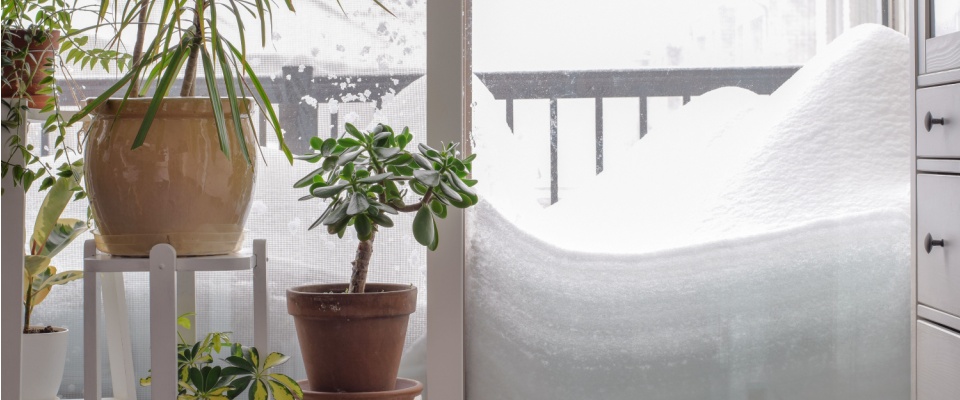
To prepare for winter storms while living in an apartment, understand your building, optimize your space, protect shared systems, and plan ahead.
The weather may be unpredictable, but your response doesn't have to be. Thoughtful preparation reduces stress, prevents avoidable damage, and keeps you safer through whatever the forecast brings.
Key takeaways:
- Apartment storm preparation starts with understanding your building's specific systems and vulnerabilities.
- Optimize heat efficiency, protect shared utilities, and prepare for power or delivery disruptions.
- Practice safe heating habits and verify detector function before storms hit.
- Keep digital document copies and clear communication during severe weather.