
If you’re renting now but thinking about buying a home in the future, insurance is an important aspect to consider. The rules change when you move from renting to owning, and so does the type of insurance you need.
Understanding the difference between homeowners and renters insurance helps you see what responsibilities come with ownership, what protection you already have as a renter, and what will change when you buy your own place.
Here's everything you need to know.
What is the primary difference between homeowners insurance and renters insurance?
The biggest difference comes down to what you’re responsible for. Homeowners insurance covers the building itself and everything inside it. Renters insurance covers what you own while renting an apartment and your personal liability, not the structure of the home.
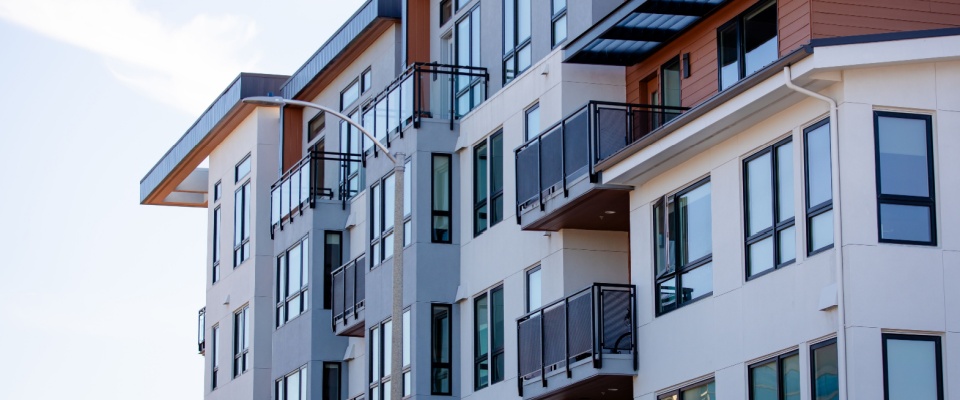
If you rent, the landlord’s homeowners insurance protects the walls, roof, and major systems. It doesn’t cover your furniture, clothes, electronics, or other personal belongings, nor does it cover you if someone gets injured in the apartment.
That’s where renters insurance comes in. It’s specifically designed for people who don’t own the property but still need protection for their belongings and liability coverage.
What does homeowners insurance typically cover?
As the name suggests, homeowners insurance is built for people who own their homes. It usually includes:
- Dwelling coverage for the structure of the home.
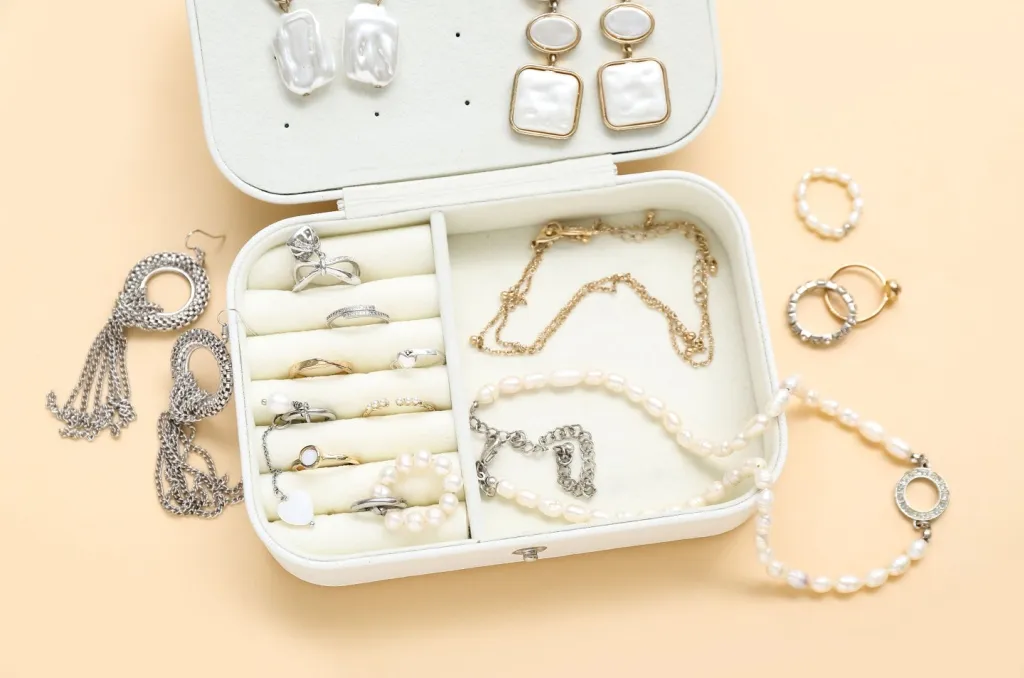
- Personal property coverage for belongings inside the home.
- Liability coverage if someone is injured on the property.
- Loss of use coverage if the home becomes unlivable after a covered event.
Because homeowners are responsible for the building itself, this type of insurance tends to cost more than renters insurance.
What does renters insurance usually cover?
Renters insurance focuses on what renters are responsible for. Most policies include:
- Personal property coverage for your belongings.
- Liability coverage if you accidentally cause injury or property damage.
- Loss of use coverage if you need temporary housing because your apartment becomes unlivable due to a covered event.
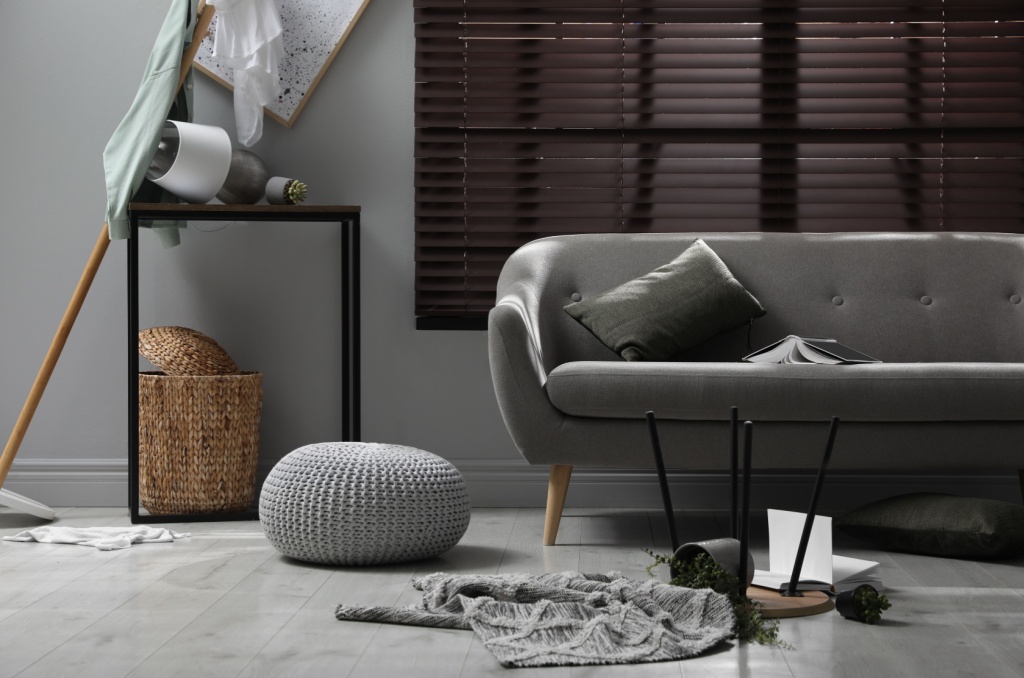
For example, if a fire damages your apartment and ruins your furniture and clothes, renters insurance can help replace them and cover temporary living costs.

Providers like ResidentShield offer renters insurance designed to meet these needs without extras meant for homeowners.
Why doesn’t a landlord’s insurance protect renters?
When looking at homeowners versus renters insurance, think of it this way: the landlord’s policy protects their investment (the building), while renters insurance protects your life inside that space. Without renters insurance, you’d have to pay out of pocket to replace everything you own or cover liability claims.
How does liability coverage differ for homeowners and renters?
Both homeowners and renters insurance include liability coverage, but the risks differ. Homeowners may face claims related to property maintenance or structural issues. Renters’ liability usually focuses on everyday accidents.
For renters, liability coverage can help pay medical bills or legal costs if someone is injured in your apartment or if you accidentally damage the building. This is a key reason many property managers now require renters insurance, and why policies like ResidentShield include liability as a standard feature.
Is renters insurance worth it compared to homeowners insurance?
When comparing homeowners and renters insurance, renters insurance is far more affordable while still offering meaningful protection. Most policies cost less than a monthly streaming subscription, yet they can cover thousands of dollars in losses.
Many renters underestimate how much their belongings are worth until they have to replace them all at once. Furniture, clothes, electronics, and kitchen items add up quickly. Renters insurance provides a safety net that makes financial sense without the higher cost of homeowners coverage.
If you’re renting, make sure to get a renters insurance policy or check that your current coverage is up to date.
How does insurance affect moving and flexibility for homeowners versus renters?
Renters tend to move more often than homeowners, and renters insurance reflects that reality. Most renters policies are easy to update when you change addresses, making them ideal for people who value flexibility.

Homeowners insurance is tied closely to the property itself, which makes it more complex to change or cancel. For renters who relocate for work or lifestyle reasons, renters insurance offers protection that moves with you.
Making smarter choices
Knowing the difference between homeowners and renters insurance helps you avoid costly assumptions. Homeowners insurance protects the building and the owner’s investment. Renters insurance protects your belongings, your liability, and your peace of mind, filling the gap left by a landlord’s policy.
If you’re a renter, having the right coverage means fewer financial surprises and more confidence in everyday living.
Key takeaways:
- Homeowners insurance covers the building; renters insurance covers personal belongings and liability.
- A landlord’s insurance doesn’t protect renters’ belongings or liability issues.
- Renters insurance is affordable, flexible, and designed specifically for renters’ needs.