
Interior design trends change every year, but 2026 is shaping up to be especially renter-friendly. More people are renting longer, still working from home, and looking for ways to make apartments feel personal without permanent renovations. That’s why this year’s interior design trends are all about flexibility, comfort, and smart choices that work within the limits of a rental.
Good design isn’t just about looks. It affects how comfortable, organized, and safe your apartment feels. The five trends below focus on easy upgrades, adaptable layouts, and styles that help renters feel more at home without risking breaking the lease or losing their security deposit.
1. Maximalism
Minimalism has officially lost its grip on interior design. In 2026, maximalism is taking center stage, driven by renters and homeowners alike who want spaces that feel personal, expressive, and layered rather than bare and neutral. After years of simple white walls and matching furniture, designers are seeing a strong shift toward bolder and warmer colors, mixed patterns, and decor that tells a story.
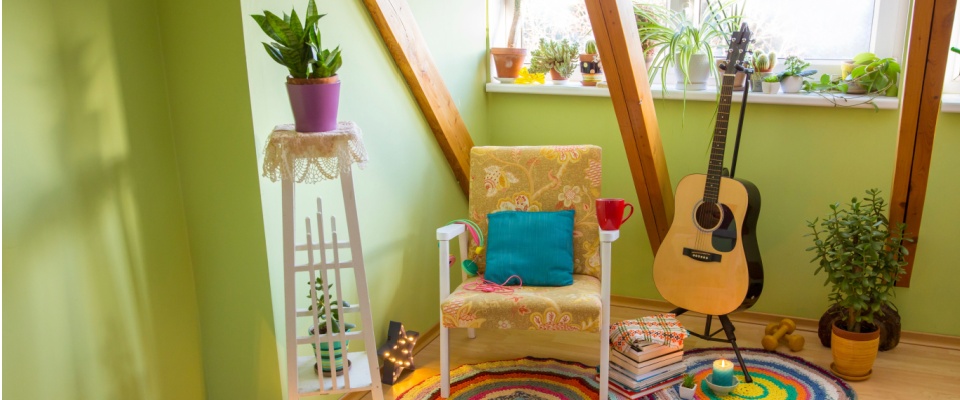
This doesn’t mean apartments are turning into cluttered spaces. Design experts describe today’s approach as intentional or curated maximalism. The idea is to decorate with purpose, combining meaningful items, statement art, and textured textiles while keeping spaces livable and organized.
For renters, this trend is especially practical. Maximalism relies on movable elements like pillows, wall art, lamps, and textiles rather than permanent upgrades. A gallery wall using removable hooks, layered rugs, or a mix of colorful throw pillows can transform an apartment without breaking your apartment lease.
Why this works for renters:
- Encourages self-expression without renovations.
- Makes generic apartments feel more like home.
- Allows decor to move easily from one place to the next.
2. Multi-functional furniture
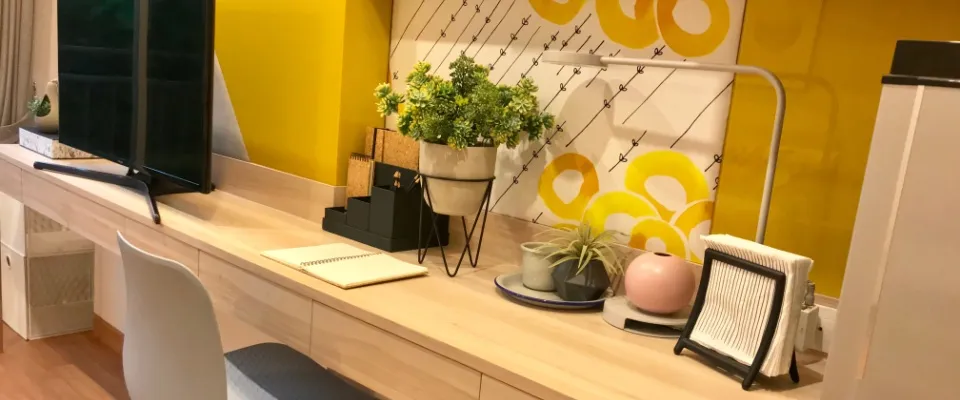
As apartments stay compact and rents tend to remain high, furniture has to work harder. One of the biggest interior design trends 2026 highlights is multi-functional furniture. Some designers are prioritizing pieces that offer flexibility, like a bed with storage underneath.
Here are a few examples of furniture you can add to your apartment to optimize your space:
- Storage ottomans
- Desks that double as dining tables
- Beds with built-in drawers
Why it works for renters:
- Saves space in small apartments.
- Reduces clutter and improves safety by keeping walkways clear.
3. Earthy colors and nature-inspired decor
Nature continues to influence design, but 2026 brings deeper, earthier colors into apartments. Brown shades, rust, terracotta, and muted blues and greens are trending. Designers pair these shades with indoor plants, stone-look decor, and organic shapes.
For renters, plants are one of the easiest ways to follow this trend. Even a few low-maintenance indoor plants can improve air quality and make a space feel more alive.
Why it works for renters:
- Offers affordable ways to refresh a space.
- Improves mood and comfort at home.
4. Craftsmanship
In 2026, interior design is placing more value on craftsmanship. Instead of mass-produced decor, designers are favoring pieces that show skill, texture, and intention. This includes hand-finished wood furniture, woven materials, ceramic accents, and decor that highlights natural variation rather than perfection.
For renters, this trend doesn’t mean filling an apartment with expensive custom furniture. It’s about choosing a few well-made pieces that add warmth and character to an otherwise simple space. A handcrafted stool, a ceramic table lamp, or a woven wall hanging can instantly make an apartment feel more grounded and thoughtfully designed.
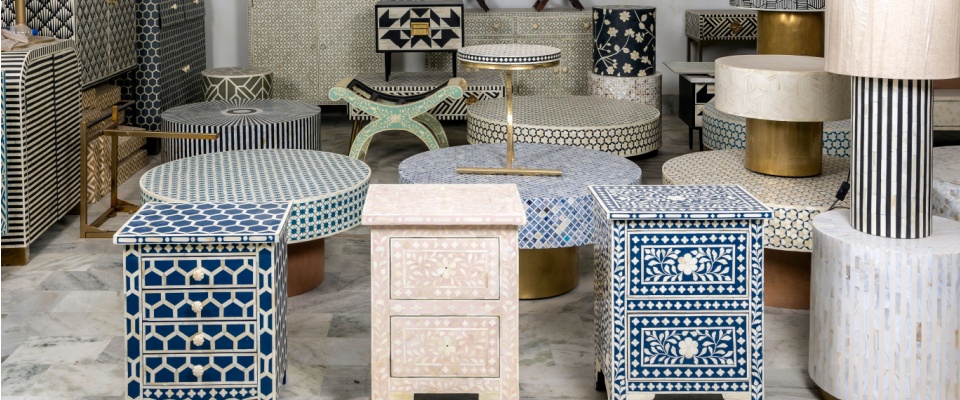
This trend also works well in rental spaces because handcrafted items tend to be timeless. They don’t rely on fast-moving trends or built-in features, making them easy to move and reuse in future apartments. Quality craftsmanship also often means better durability, which matters in everyday living.
Why this works for renters:
- Adds depth and personality without permanent changes.
- Encourages long-lasting, versatile decor choices.
- Makes standard apartments feel more intentional and lived-in.
5. Patterned textiles
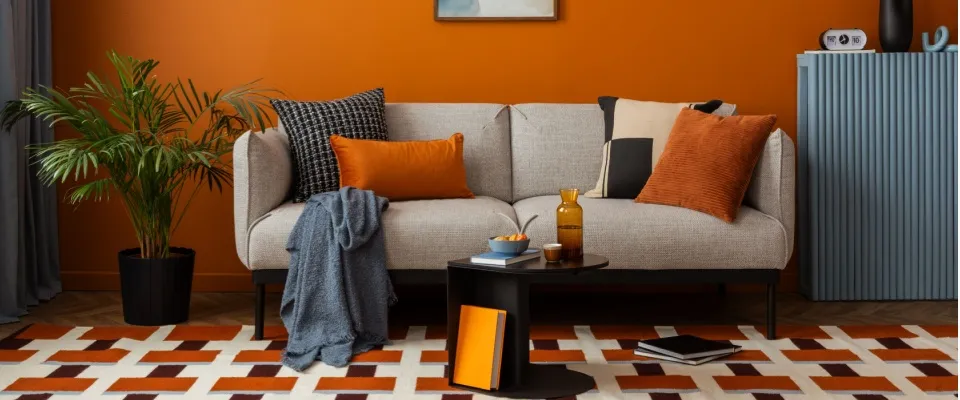
Patterned textiles are becoming a key part of interior design trends in 2026, bringing personality, color, and visual interest into rental spaces. Instead of relying on bold architectural changes, some designers are using textiles like rugs, curtains, or bedding to introduce pattern in a flexible, low-commitment way.
In apartments, patterned textiles help break up plain walls and neutral flooring. Stripes, florals, geometrics, and global-inspired prints are all trending, especially when mixed thoughtfully. The focus isn’t on perfect matching, but on layering patterns in a way that feels intentional and comfortable.
Why this works for renters:
- Adds visual interest without permanent changes.
- It’s easy to update or move between apartments.
- Improves comfort and reduces echo in small spaces.
The interior design trends shaping 2026 reflect how renters live today. Apartments may be workspaces, social hubs, and places to recharge. That’s why this year’s trends focus less on permanent upgrades and more on flexibility, comfort, and personal expression.
From maximalist decor to handcrafted accents, the five trends above give renters practical ways to make their apartments feel more intentional and lived-in. The best part is that none of these ideas require breaking lease rules or making changes you can’t take with you. With the right choices, renters can create a space that feels like home now and still works wherever they may be moving later.
Key takeaways:
- These interior design trends for 2026 prioritize renter-friendly upgrades that don’t require permanent changes.
- Flexible furniture, textiles, and decor help maximize comfort, safety, and personal style in apartments.
- Choosing movable, well-made pieces makes it easier to refresh your space.