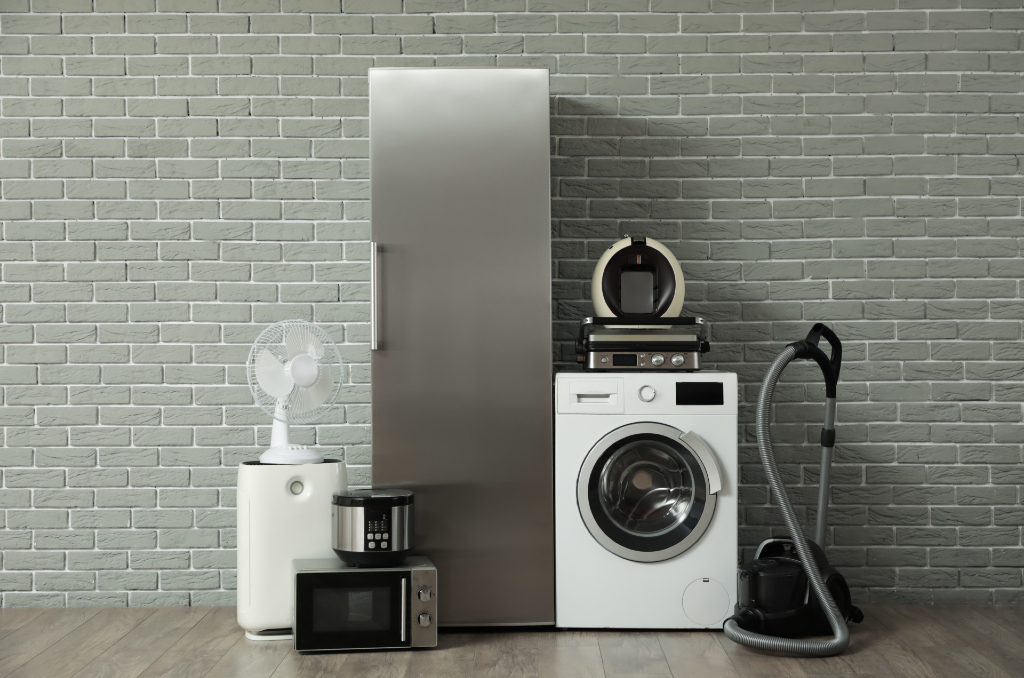
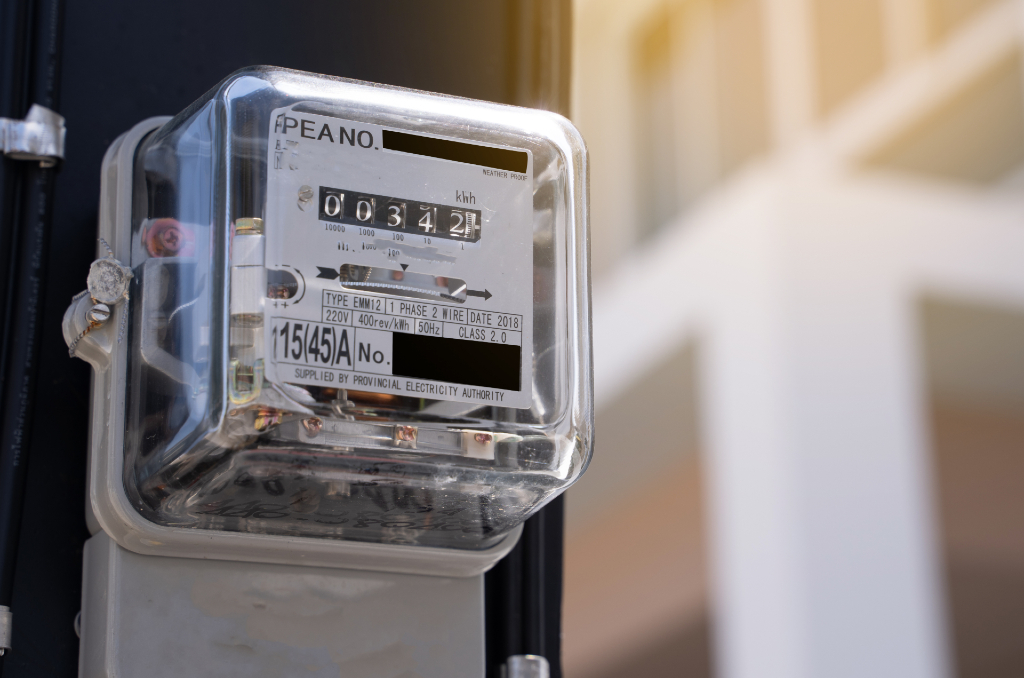
Electricity ranks among the most important monthly utility expenses for renters in the Lone Star State. Between the summer heat, high energy consumption, and a unique electricity market, your bills can fluctuate dramatically throughout the year.
Understanding how Texas electricity rates work helps you budget more effectively, avoid unpleasant surprises, and make smarter decisions about your electricity usage. We’ll break everything down to help you make the best choice for your home and budget.
What is the average electricity rate in Texas?
Recent data (October 2025) from the U.S. Energy Information Administration shows that the average residential electricity price in Texas is about 16.11 cents per kilowatt-hour (kWh), compared to the national average of 17.98 cents per kWh.

This means that Texas electricity rates are generally lower than those in the rest of the country. However, lower rates don't automatically mean lower bills. Your total monthly cost depends on how much electricity you use. And according to other recent estimates from the U.S. Energy Information Administration, Texas ranks among the highest states for residential electricity consumption per household.
Why electricity bills may often be high in Texas
Heavy air conditioning use
Air conditioning drives the majority of high electricity usage in Texas. During summer months, electricity demand spikes as temperatures climb. Even with reasonable per-kWh pricing, heavy usage can still lead to higher bills.
Winters still matter
While winters are shorter, colder weather can still increase electricity use, especially in homes with electric heating. Weather-related demand represents the largest factor affecting residential electricity consumption statewide.
Fuel costs impact pricing
Texas generates a substantial portion of its electricity from natural gas. When natural gas prices climb, electricity generation becomes more expensive, which can influence retail electricity pricing over time.
How electricity market deregulation works in Texas
Texas operates differently from most states because much of the state uses a deregulated electricity market.
What deregulation means
Deregulation allows customers to choose their electricity company instead of being automatically assigned one. Your local Transmission and Distribution Utility (TDU) still delivers power and maintains the infrastructure, but several providers sell electricity plans.

Why this matters for renters
Deregulation gives renters more control over their electricity costs. You can compare plans based on price, contract length, and usage structure. While this competition can help keep rates competitive, it also means you must carefully review plan details to ensure they cover your needs.
Common plan types
Understanding electricity plans and knowing how to compare them lets you tailor your choice to how you use power and helps you avoid unexpected bill increases. Here are the main options you’ll have:
- Fixed-rate plans offer price stability throughout your contract term. You pay the same price per kWh every month, giving you predictable bills and protecting you from sudden price spikes, especially during winter or summer.
- Variable-rate plans change monthly based on market conditions. They provide more flexibility, but your bills may fluctuate significantly, especially during peak seasons.
- Prepaid electricity plans charge you upfront, and your balance decreases as you consume energy.
Practical ways renters can manage electricity costs
As a renter, you can’t always control the building’s insulation or HVAC systems, but you can influence how much electricity you use and when. Here are some tips you can use to manage your bill.
Use power strategically
Electricity demand peaks during late afternoon and early evening hours in summer. Running appliances earlier in the morning or later at night can help manage costs and consumption.

Compare plans regularly
Because of deregulation, electricity plans change frequently. Compare your options at least once a year. Review the Electricity Facts Label (EFL) to understand actual costs at different usage levels before signing any contract.
Reduce cooling demand
Simple energy-saving habits can make a big difference for your cooling system:
- Close blinds during hot afternoons.
- Use ceiling fans to circulate air.
- Adjust your thermostat up just a few degrees.
- Seal gaps around windows and doors.
Studies consistently show that cooling is one of the largest contributors to residential electricity consumption, and in hotter regions like Texas, this can be particularly important to consider.
Key takeaways:
- Texas electricity rates average about 16.11¢ per kWh, which is below the national average, but high electricity usage may still lead to higher bills.
- Market deregulation allows renters to choose electricity providers, creating both opportunities for savings and responsibility for making informed decisions.
- Smart usage habits and regular plan comparisons can help you control monthly costs and avoid seasonal bill increases.
Frequently asked questions
A: In most of Texas, electricity is deregulated, allowing customers to choose their electricity company. Some areas served by municipal utilities or cooperatives don't participate in deregulation.
A: Increased air conditioning use drives higher electricity consumption during hotter months.
A: Prices can vary depending on your electricity provider and plan options in your area, so comparing local plans is key to finding the option that fits you best.