Keep your home safe from springtime storms

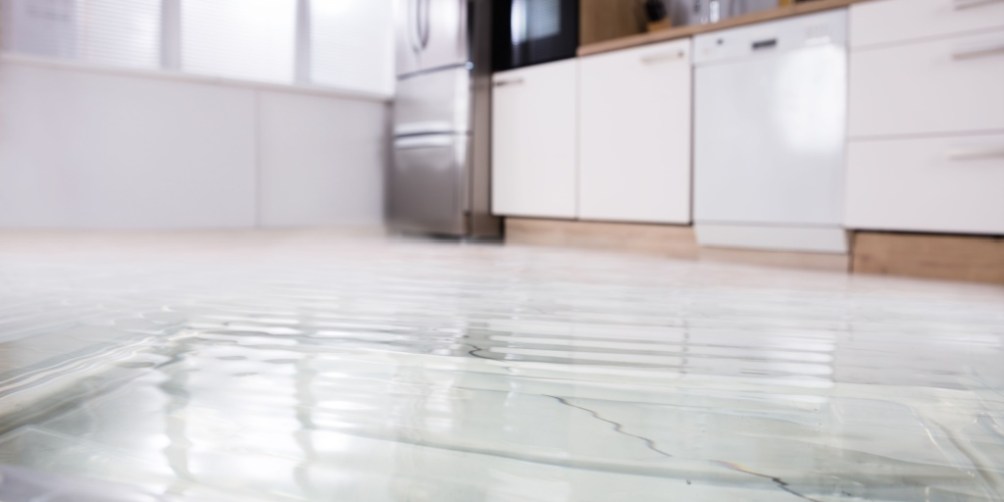
This year spring took longer to settle. By now, the rising temperatures melted what was left of last winter’s snow, and depending on the region where you live, they could be making room for the season’s common weather moods: thunderstorms, flooding, wind, hail, and lighting.

To make sure it doesn’t catch you by surprise, now is a good time to review your renters insurance policies with your agent or the company in charge with your home’s safety to make sure you have enough coverage for the protection of your family and your belongings. Aside from these, there are ways you can keep secure from the dangers of destructive storms:

  1. Trim back the dead wood from the trees around your house. It will reduce the stress produced by the wind on trees and eliminate potential damage from falling limbs.
  2. Move loose items indoor, like patio furniture and gardening tools, and brace your doors and windows, ensuring that they close and seal properly.
  3. Keep your large windows protected and move valuables away from windows.
  4. Inspect your basement, you might have to reseal the whole space.
  5. Stock up on repair item such as sandbags, lumber, plastic tarps.
  6. Prepare to be without electricity, stock up on canned food, bottled water, candles & flashlights, medicine & first aid equipment, batteries.
  7. If you have a pool, lower the level of water before the storm so that the water doesn’t overflow and enter your home or ruin the landscape.
  8. Check your ceiling and roof and have them repaired immediately if you find even the slightest sign of leaks.
  9. While you’re up there, check the gutters too to make sure they drain well. If you find little granules collecting in it, it’s a good sign that your roof’s coating needs to be resealed.
  10.  Make sure that all your power boxes and exposed electrical wires are secured.


7 reasons why young adults need renters insurance

While renters insurance is suitable for all renters, the benefits are especially relevant for young adults. 80 million Echo Boomers, Americans ages 17-31, are sweeping up rentals across the nation. It’s important for this group to pick up renters insurance along the way. Here’s why:

1)      Echo Boomers comprise a significant demographic of renters. Some young adults prefer apartments and condos, others seek single family properties. Rentals come in all shapes and sizes but each is susceptible to a range of misfortunes. Renters insurance protects all sorts of rentals, offing Echo Boomers the protection that they need to live with peace of mind.

2)      Young adults lead the pack in costly electronics consumption. Many of us outfit our lives with tablets, smartphones, computers, home entertainment systems and more. Insuring these items can ensure their replacement in cases of theft or destruction.

3)      The young crowd is known for social activities. Holiday gatherings, book clubs, gaming parties and other social events pack our calendars. Renters insurance protects guests while they are on your property, so that you can entertain with comfort and assurance.

4)      Ready, set, travel! Echo Boomers are frequent travelers, scooping up online deals and hitting the road. Travel leaves our homes and possessions unguarded. Renters insurance offers retribution for goods that are stolen or damaged by inclement weather when we’re away.

couple moving

5)      Young adults have recently left the nest and are establishing our place in the world. That means that we may encounter our first fried turkey for Thanksgiving, host our first Super Bowl barbecue, and plenty of other milestones. Without experience to back us up, young adults are more susceptible to accidents. Protect yourself, your guest, and your property from acts of mayhem with the proper insurance.

6)      Many young adults are just starting our careers, meaning that our financial cushioning is thin at best. The funds needed to replace valuables and cover emergency medical expenses may not be on hand when we need it. Renters insurance helps minimize the financial impact of losses and injuries.

7)      When misfortune strikes, everyone needs an advocate. The staff at Resident Shield is on hand 24/7 when you need to report a claim. They can help answer questions and guide you on the path back to normalcy.

Who needs renters insurance? Do you?

Renters insurance can be beneficial for all types of renters. But there are some common misconceptions by groups of apartment renters who may not realize they need coverage.

The safe assumption to depend on is that if you are an apartment renter, you should carry a policy covering the contents of your apartment. Here are a few groups of renters who may not realize they should be insured.

Insurance Word Cloud

Students – College students living in university-owned or off-campus housing for 9 months of each year are considered apartment renters, even if their college provides the living situation. Because theft can be common in college communities, college students should always carry renters insurance. Though parents may think their offspring are covered by their homeowners insurance policy while they are at college, that policy is likely to cover only about 25 percent of the costs if something were to happen to a students’ possessions. Despite having just a carload of stuff at school, the high cost of replacing electronics – computers, TVs, gaming stations, music devices – is argument alone for students carrying their own renters insurance.

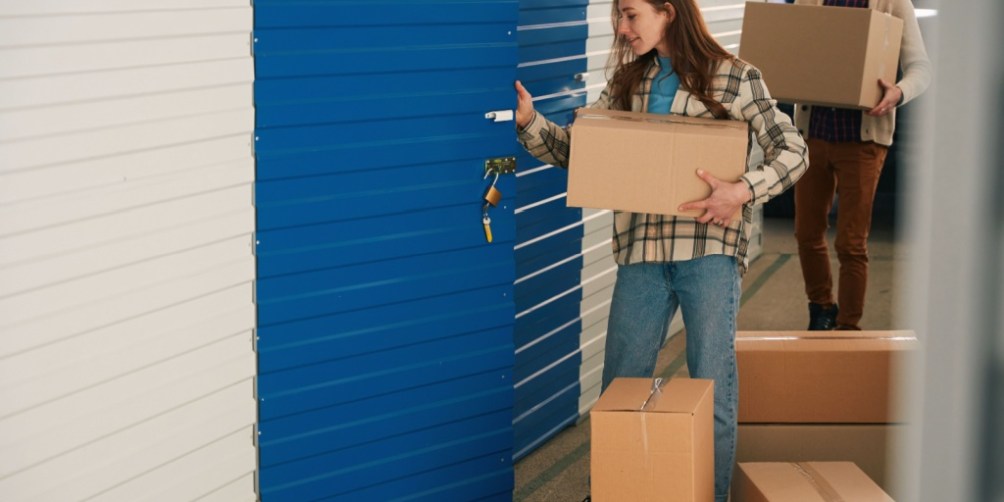
Seniors – The situation for seniors living in assisted care or retirement living facilities is similar to that of students. Renters insurance protects the value of any possessions the resident has brought with them to their new home, as well as any family possessions stored in a storage unit. *Keep in mind that offsite possessions are typically covered only to $1000 or 10 percent of their value by renters insurance.

Military personnelRenters insurance is especially important for our nation’s military personnel who are frequently traveling away from their apartments for long periods of time. Potential for break-ins and accident damage while residents are away is always higher than with consistently occupied units. Special rates for military personnel on renters insurance policies are easy to find.

Protecting Your Personal Property and Identity

For personal property protection and liability coverage in cases of fire, weather damage, robbery and more ResidentShield Renters Insurance has you covered, but more and more we are seeing the importance of protecting yourself against identity theft. Now more than ever, renters must be aware of potential access points to their information in the real world and online.

According to PrivacyRights.org, identity theft affects more than 8 million Americans. While that number is woefully high, fraudulent activities have decreased since their record high of 55.7 billion worldwide in 2006. Much of the decline can be attributed to institutions’ and businesses’ increased security investments to protect clients. The wise actions of residents also contribute to a significant portion of the decline.

There are a few simple things that you can do to protect your identity at home, on the internet and in your neighborhood:

  • Shred unwanted financial and personal documents instead of simply placing them in the trash.
  • Completely clear cookies, history, and all system caches on public computers after use.
  • Never access online banking on public computers. Technology exists to let remote users view your screen and any information that your type into a field whiles you’re online.
  • If you do not plan to buy a home, car, or other large investment in the near future, consider freezing your credit. This prevents the unauthorized opening of additional lines of credit in your name.
  • While on the web, don’t bother with “You’ve Won…” banners. No one wants to give you anything for free. Best case scenario is that you’re caught filling out a grueling survey. Worst case scenario is that you click the banner and inadvertently download spyware, viruses, and other dangers to your system.
  • If you’re filing your taxes at a center, take a thorough look around before accepting service. How are documents stored? Are files easily accessible to anyone passing by?

When it comes to storing personal property and documentation within your rental, keep these points in mind.

  • Keep copies of personal documents in a safe place outside of the home, like a safe deposit box.
  • Ensure that sensitive documents within the home are in a secure, obscure location.

Are home security systems worth the cost?

Overall, the quality of protection is determined by the price that you’re willing to pay. There are, however, a few exceptions to the rule.

Many renters often wonder what is the best way to protect their property from theft and damages. Having renters insurance helps in times of emergencies but it may also be a good idea to take preventative measures, such as installing a home security system.

There are security systems on the market that are worth every penny. These systems provide video and audio surveillance, automatic communication with public safety offices, and motion sensors. There are systems that equip residents with personalized passcodes to keep track of who enters the home and when. Some services include smoke and carbon monoxide alarms, frozen pipe or leak notifications, and home automation packages that let you monitor energy usage and every aspect of your home’s activity.

Many of the aforementioned services do not come with standard packages. They are added at a price. The most basic security packages include motion detectors and alarms that sound when doors or windows are opened. Truth be told, those features will not protect you from an armed robber or give you the tools needed to catch a thief after the fact. That doesn’t mean that standard services are useless.

Home security system

The most basic home security services do have their advantages. According to a Rutgers University study, neighborhoods with multiple home security systems are less prone to crime. Security systems do seem dissuade criminals.

Before settling on a particular security package, it is best to request an on-site assessment of your home with a security professional. If the person represents a security company, he or she will likely recommend the most advanced package for your home’s needs; this is a good starting point. If the cost of the package is within your budget, run with it. If not, you can begin customizing your package by eliminating the services that you’re less likely to need.

Tips for successfully filing personal liability claims

When the unthinkable happens, it pays to be prepared.

You never imagined a day like this would come. Without warning, the unthinkable happens. A guest or roommate sustains injuries while in your home. In the bustle of the action, it is important to remain composed and take proper measures to document the event. Preparedness and documentation rest at the center of every successfully filed personal liability claim.


Insurance Not Risk

To prepare your file, consider the following:

What happened? Take a moment to create an accurate and detailed description of events. This may involve compiling the insights of multiple guests at the scene of the incident. Even the smallest details may be pertinent to your claim so it is better to be too thorough than too vague.

Who was involved? Collect detailed information of those involved in the accident, most importantly the contact information of the injured parties. It may be necessary to contact these individuals throughout the process of your filing.

Where did it occur? Depending on the location of the event, your personal renters insurance may cover damages. In other instances, the coverage may be provided by the landlord’s insurance. To settle any ambiguity, be as specific as possible about the location of the incident.

How was it handled? Some emergencies simply can’t wait. In those cases, it may be necessary to have the problem resolved before you are able to complete a claim. It is important to keep record of how the problem was handled. Did you call a taxi or ambulance? Which hospital was the injured party taken to? Did the incident make the rental uninhabitable for any duration of time, forcing you to stay in a hotel? It is vital to keep all receipts as they will determine your reimbursement. Insist upon receiving receipts when none are offered.

Take photographs. Use photographs as part of your documentation package. Images from a camera phone suffice as well as any. It may be helpful to add captions or descriptions for each of the photos to help processors understand what they are seeing in each image. Do not alter photos.

Your Resident Shield renters insurance representative is here to assist you every step of the way. Simply contact us to have your questions answered.

Vacation time! Avoid a break-in with these tips

Summer is almost here! Time to break away for a week or two of relaxation, maybe even longer if you are lucky. But who will keep an eye on your house, apartment and pets while you are away? Are the possessions in your home protected by renters insurance in case there were to be a break in while you were gone?

The best advice we can offer you for the ultimate security while you’re on vacation is to have a trusted friend or family member serve as a house sitter while you are on vacation. This is ideal especially if you have pets or plants that you want cared for during your absence. Dog boarding can be quite expensive, and most pets are much more comfortable when they are able to stay in their own homes.

If you aren’t able to get a house sitter, take precautions. (Going rate for this service in our area is about $20/day, depending on the number of pets you have and their care requirements, but sometimes you can find a friend who likes your place that might do it for free).

Here are our tips for home safety while you are away on vacation.

  1. Have a neighbor check in. Ask them to turn on lights overnight in the home so it looks like someone is present. Make sure you hold all newspaper deliveries and have your mail stopped at the post office, unless the neighbor has agreed to pick it up each day. Perhaps the helpful neighbor can water your plants , too. Otherwise, give them a good soaking before you leave so they don’t die.
  2. Make sure your windows, door locks and alarm systems are working properly. Thieves can sense when a home is empty, even when you make an effort to have it looked lived in, so make sure you don’t leave windows cracked or easy access points into your garage or storage shed.
  3. Don’t broadcast your plans on social media or to neighbors and acquaintances. It is fine to let close friends know you’ll be out of town, but avoid letting everyone in your neighborhood share the news. This doesn’t mean you don’t trust people, it just means you’re being careful.
  4. Turn off and unplug all electronics before you leave, and be sure to turn your thermostat way down. Just a simple way to save energy and come home to a low utility bill. Happy travels!

Watching out for apartment crime

You don’t need a formal neighborhood watch program in place at your apartment complex in order to keep your eyes open for criminal behavior. There are plenty of telltale signs of crime you may see around your home that shouldn’t go unreported.

Here are some things to look out for:

-Suspicious guests. If you see people at your apartment complex who you don’t recognize as residents, try to determine who they are visiting and that they have a direct relationship with the tenants. If you never see the guests and tenants together, be concerned.

Vehicle burglar

-“Visitors” when you know an apartment is unoccupied. If your neighbor has gone on vacation for two weeks and suddenly there are people in and out of her home, be concerned.

-Inappropriate use of community amenities. If laundry facilities, community gathering spaces like game rooms or business centers, or gyms and pool areas are being used by non-residents on a regular basis, it’s a legitimate concern.

-People who appear to be living in vehicles in your apartment community. If your apartment complex parking area is ungated, keep an eye open for residential vehicles that don’t seem to be connected to any of your neighbors’ homes.

-Homeless residents in the apartment complex. If they aren’t pass through or visiting a resident, notify your property manager or local law enforcement.

-Unattended children. Though usually unintentional, unmonitored children can be a source of crime and mischief during the summer months. If your neighbors are letting their kids roam unsupervised around your complex, express your concerns to their parents.

Can you think of any other red flags for apartment crime? Don’t be caught unaware – make sure your renters’ insurance policy is up to date should your apartment suffer a break-in.

Preventing pest issues before the spring season

Spring is a time of rebirth, of re-energizing and re-organizing. Whether it’s your personal life or your home that needs a clean-up, now’s the time to take action. Our living environment has a deep impact on our mood, performance and mental health, that’s why it is so important to keep it clean, safe and comfortable.

Before going through your every room, sorting, throwing away and donating useless stuff, make sure your rental does not house any unwanted guests like rodents, ants, roaches or ticks. Just as everything else in nature, pests tend to come back to life as well when the weather warms up outside, causing damage to your belongings and a lot of headaches.

Here are a few tips on the steps you can take to minimize pest problems before they become a real nuisance for you and your family.


Ants

Identify the pest problem. Apartments and houses are often prone to being infested by cockroaches, fleas, termites, ants,  mice, rats, mold, or mildew so you might want to conduct a thorough inspection of your home, before going on a de-cluttering spree this spring. Look out for signs of pests and check your property for any possible entry points, like openings in walls, near cable, electrical and plumbing lines, around windowsills and door jams, in unscreened attic vents and uncapped chimney stacks. The best way to control pests is to try to prevent them from entering your home in the first place.

Block off pest entryways and hiding places. Caulk cracks and crevices that might give pests free access to your home. Grooming and bathing pets regularly is essential for both your home and your pet’s health and wellbeing. If you’re leery of using chemical products on your dog or home, there are a number of natural alternatives available: apple cider vinegar, eucalyptus, fennel, and rosemary all seem to act as excellent bug repellents.

Inspect your residence regularly. If you’re moving to a new apartment, check for pests in packages or boxes before carrying them into your home. The same goes for any vintage or flea market finds you might want to incorporate in your redecorating project. Washing bed linen and clothes in hot temperatures and drying them on high heat after long trips or move-ins is often the ideal solution for bed bug removal.

Work on your indoor prevention strategy. According to EPA guidelines, pests seek places to live that satisfy their basic needs for air, moisture, food, and shelter so it’s crucial to keep your quarters clean, dry and free of  clutter. Let your landlord know as soon as you notice any leaky plumbing, remove any food leftovers from your kitchen and do not let water accumulate anywhere in or around your home. For example, do not leave any water in trays under your houseplants, under your refrigerator, or in buckets overnight. Dampness and high humidity environments are ideal for pests’ propagation.

To further protect your property and personal belongings against any unwanted damage, fire, flood, burglary or lightning, consider getting apartment renters insurance.


Protecting Your Personal Property and Identity

For personal property protection and liability coverage in cases of fire, weather damage, robbery and more ResidentShield Renters Insurance has you covered, but more and more we are seeing the importance of protecting yourself against identity theft. Now more than ever, renters must be aware of potential access points to their information in the real world and online.

ID theft with shredded paper

According to PrivacyRights.org, identity theft affects more than 8 million Americans. While that number is woefully high, fraudulent activities have decreased since their record high of 55.7 billion worldwide in 2006. Much of the decline can be attributed to institutions’ and businesses’ increased security investments to protect clients. The wise actions of residents also contribute to a significant portion of the decline.

There are a few simple things that you can do to protect your identity at home, on the internet and in your neighborhood:

  • Shred unwanted financial and personal documents instead of simply placing them in the trash.
  • Completely clear cookies, history, and all system caches on public computers after use.
  • Never access online banking on public computers. Technology exists to let remote users view your screen and any information that your type into a field whiles you’re online.
  • If you do not plan to buy a home, car, or other large investment in the near future, consider freezing your credit. This prevents the unauthorized opening of additional lines of credit in your name.
  • While on the web, don’t bother with “You’ve Won…” banners. No one wants to give you anything for free. Best case scenario is that you’re caught filling out a grueling survey. Worst case scenario is that you click the banner and inadvertently download spyware, viruses, and other dangers to your system.
  • If you’re filing your taxes at a center, take a thorough look around before accepting service. How are documents stored? Are files easily accessible to anyone passing by?

When it comes to storing personal property and documentation within your rental, keep these points in mind.

  • Keep copies of personal documents in a safe place outside of the home, like a safe deposit box.
  • Ensure that sensitive documents within the home are in a secure, obscure location.