While most apartment communities have security measures in place, keeping your apartment safe isn't solely the responsibility of your property manager. There are simple steps you can take every day to help reduce risks, prevent theft, prepare for unexpected situations, and feel more confident in your apartment.
Below you’ll find eight safety tips every renter should know.
1. Lock your doors and windows
It sounds obvious, but many break-ins happen because someone forgot to lock a door or window.
Make it a habit to:
- Lock your front door whenever you leave, even if it's only for a few minutes.
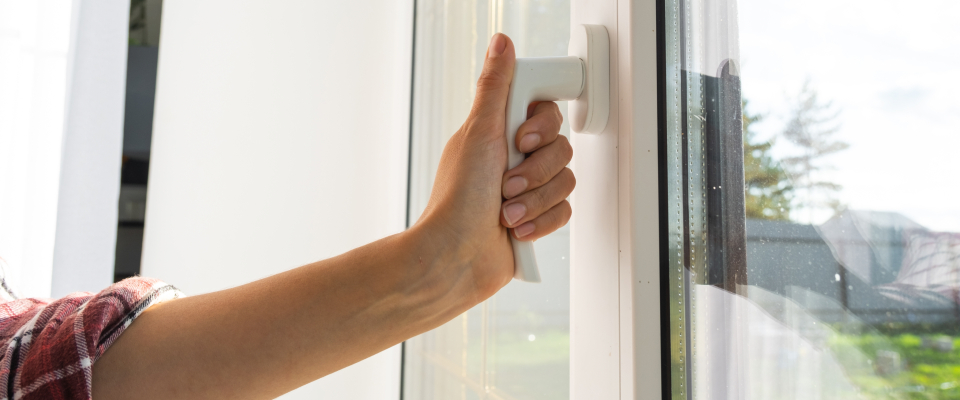
- Lock windows before leaving your apartment or going to bed.
- Check balcony doors to make sure they're properly secured.
- Avoid hiding spare keys outside your apartment.
If your apartment's locks don't work properly, report the issue to your property manager right away.
2. Keep valuables out of sight
Visible valuables can make your apartment or vehicle a more attractive target for theft. Make sure you:
- Keep laptops and electronics away from windows.
- Close blinds or curtains if expensive items are visible from outside.
- Don't leave purses, backpacks, or shopping bags in plain sight inside your car.
- Store bicycles in designated storage areas or secure them with a quality lock.
3. Prevent package theft
A few simple habits can help protect your deliveries:
- Retrieve deliveries as soon as possible.
- Use package lockers if your community offers them.
- Schedule deliveries for times when someone is home.
If you notice suspicious activity around mailrooms or package areas, let your property manager know.
4. Don't share building access with strangers
Many apartment communities use controlled access to help keep renters safe.
You can help by:
- Avoiding letting unknown people follow you into secured buildings.
- Never sharing gate codes or access credentials.
- Reporting lost key fobs or access cards immediately.
- Making sure exterior doors close securely behind you.
These habits help protect everyone in the building, not just your own apartment.
5. Know which safety responsibilities belong to your property manager
As a renter, you're responsible for using your apartment safely and reporting problems when you notice them.
Property managers are generally responsible for maintaining features such as:
- Exterior lighting
- Building entry systems
- Door and window locks supplied with the apartment
- Smoke and carbon monoxide alarms, where required by law
- Stairways, railings, and common areas
If you notice something that could create a safety risk, report it to your property manager immediately.
6. Learn your emergency exits
Taking a few minutes after moving in to familiarize yourself with your building's layout can make a real difference in an emergency. Take note of:
- The nearest exits
- Alternative escape routes
- Fire extinguishers in common areas
- Your building's emergency procedures
If you live in a multi-story building, avoid relying on elevators during a fire unless instructed otherwise by emergency responders.
7. Get to know your neighbors
You don't have to know everyone in your building, but having one or two trusted neighbors nearby can be invaluable.
Neighbors may be able to:
- Alert you to maintenance issues or emergencies.
- Notice suspicious activity near your apartment.
- Help during severe weather or power outages.
8. Understand how renters insurance can help
Even if you follow every renter safety tip on this list, some situations are simply beyond your control. That's where renters insurance can provide an extra layer of protection.

A standard renters insurance policy may help cover your personal belongings after covered events and may also include personal liability coverage if someone is injured in your apartment. Because coverage varies by policy, it's worth reviewing the details carefully to understand exactly what's included.
Think of renters insurance as a complement to good safety habits, not a substitute for them.
Good renter safety starts with everyday habits
The best renter safety tips are often the simplest ones. Locking your doors, reporting maintenance issues, preparing for emergencies, and staying aware of your surroundings all help reduce everyday risks.
While your property manager is responsible for maintaining many of your community's safety features, your own habits play an equally important role in protecting your apartment and your belongings.
Making safety part of your daily routine means you'll be better prepared when the unexpected happens, and more at ease every day that it doesn't.
Key takeaways:
- Renter safety starts with simple daily habits like locking doors, securing valuables, and staying aware of your surroundings.
- Renters and property managers have different responsibilities when it comes to apartment safety.
- Preparing for emergencies and reporting safety concerns promptly can help prevent bigger problems.