Knowing what to do before, during, and after a hurricane can protect you from high winds, flooding, power outages, and other hazards. To stay safe during a hurricane as a renter, prepare emergency supplies, learn your evacuation route, and ask your property manager about the building’s safety procedures. Most importantly, always follow instructions from local officials.
Here's everything you need to know to stay prepared and protected.
Know the main hurricane risks
Hurricanes can bring strong winds, heavy rain, storm surge (a sudden rise in seawater pushed onshore by the storm), flooding, and tornadoes. These dangers may affect areas away from the coast, too.
Don't judge the risk by the hurricane’s category alone. Even a tropical storm or lower-category hurricane can cause dangerous flooding and long power outages. Follow local weather alerts and emergency instructions for your area.
Make an emergency plan
Find out whether your apartment is in an evacuation zone or at risk of flooding. Your local emergency management website should have evacuation maps, routes, and shelter information.
If your area may be at risk, ask your property manager a few basic questions:
- How will residents receive emergency updates?
- Where is the safest place in the building?
- Which exits should residents use during an outage?
- How should residents report flooding or storm damage?
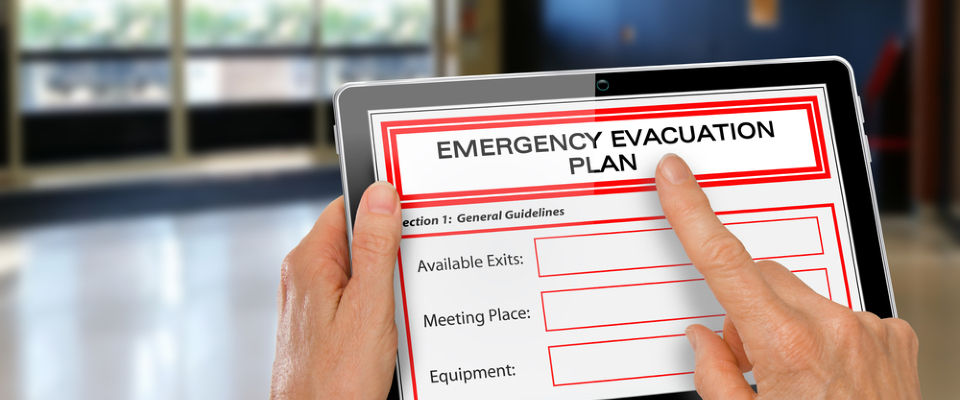
It may also help to choose a place where you could stay if you need to leave. This may be the home of a friend or family member, a hotel, or a public shelter. If you have a pet, check which options accept animals.
Prepare an emergency kit
A hurricane can temporarily interrupt power, water, internet service, and access to grocery stores and other essential services. Keeping basic supplies at home means you will not have to rush out when a storm approaches.
Your hurricane emergency kit can include:
- Water and nonperishable food
- Prescription medications
- Flashlights and extra batteries
- A first-aid kit
- Phone chargers and power banks
- Personal hygiene products
- Pet food and supplies
- Cash
- Copies of important documents
Keep documents in a waterproof container. You can also store digital copies in secure cloud storage.
Get your apartment ready
You may not control how the building prepares for a hurricane, but you can reduce risks inside your apartment. Here are a few steps to take:
- Bring in furniture, plants, and decorations from your balcony or patio.
- Close and lock your windows, but don't tape them. Tape doesn't stop glass from breaking.
- Move electronics, documents, and valuable belongings away from windows.
- If your area is a risk of flooding, put important items on shelves or other raised surfaces.
- Charge your devices and backup batteries.
- Set your refrigerator and freezer to their coldest safe settings to help food stay cool longer if the power goes out.
Follow evacuation instructions
If local officials issue an evacuation order, leave right away. Waiting could expose you to traffic, flooded roads, or closed evacuation routes.
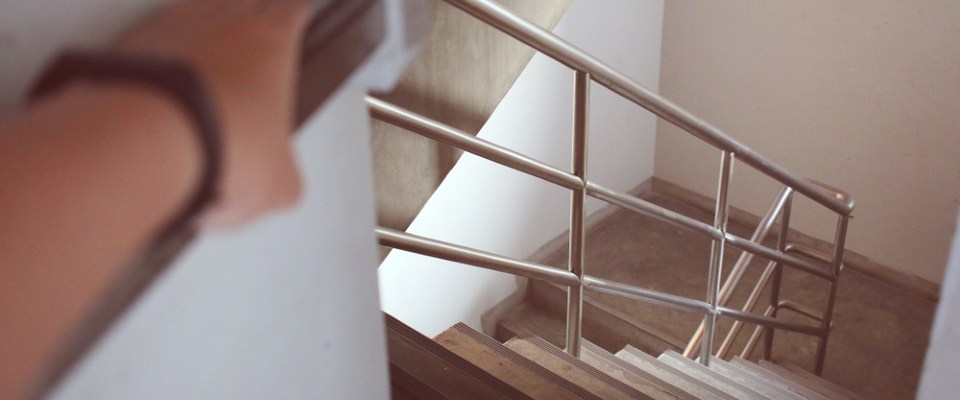
Take your emergency kit, medications, identification, insurance information, and pet supplies. Follow official evacuation routes and never take shortcuts through flooded areas.
What should you do during a hurricane?
If you are not told to evacuate, stay indoors and continue following official updates.
To stay safe during a hurricane:
- Shelter in a small interior room without windows.
- Stay away from windows, glass doors, and exterior walls.
- Move to a lower level for wind protection only if it is not at risk of flooding.
- Move to higher ground before flooding begins if officials advise it.
- Use flashlights instead of candles during a power outage.
- Limit phone use to help preserve the battery.
Take care after the storm
Once the storm passes, continue following local updates. If you evacuated, wait until officials say the area is ready for residents to return.
Don't use electrical devices that became wet until a qualified professional has checked them.
When it is safe, take photos of any damage and tell your property manager about leaks, water damage, or electrical problems.
Check your insurance coverage
The property owner’s insurance generally covers the building, not your personal belongings. Renters insurance may cover certain wind-related losses, depending on the policy.
Standard renters insurance generally doesn't cover flooding, which is why some renters purchase a separate flood insurance plan. That can help protect your belongings from flood damage. Review your coverage, limits, and deductibles before hurricane season so you know what protection you have.
Preparing early makes it easier to act when a hurricane approaches. A few practical steps can make a major difference in your safety. Know your evacuation route, gather emergency supplies, secure your apartment, and follow local instructions.
Key takeaways:
- Learn your evacuation zone and building procedures.
- Keep emergency supplies ready for an evacuation or power outage.
- Stay indoors and away from windows unless officials tell you to leave.
- Remain alert for flooding, electrical hazards, and carbon monoxide after the storm.