Michigan gives renters a lot to like: affordable rent compared to the coasts, lively cities from Detroit to Grand Rapids, and four real seasons. While those benefits may make it appealing to rent in Michigan, unexpected situations can still happen. A single burst pipe during a January cold snap, a tornado rolling through in spring, or a break-in while you're at work can cost thousands of dollars you never planned to spend.
Your landlord's insurance covers the building, not the things inside your unit. Your furniture, laptop, clothes, and TV are your responsibility. Renters insurance in Michigan steps in to replace your belongings, protect you if someone gets hurt in your place, and even cover temporary housing if your rental becomes unlivable.

This guide breaks down what renters insurance costs, what it covers, and why it matters more in Michigan than you might think.
Michigan’s renter landscape
Renters vs. homeowners: Michigan vs. United States
Michigan has a smaller percentage of renters to owners than the country, but the households that do rent face real weather risk and are often underprotected.
- Michigan: About 27% of households are renter-occupied.
- United States: Roughly 35% of households are renter-occupied.
Because home prices are lower in Michigan, the state has more homeownership than most states. But that also means renters here can feel overlooked when it comes to protecting what they own. If you rent in Michigan, you're still in the same boat as more than a quarter of your neighbors, and everything in your unit is on you.

Share of active renters insurance policies: Michigan vs. United States
Despite the lower share, Michigan renters are more likely than the average American to carry coverage.
- Michigan: 53.6% of renters have renters insurance.
- United States: About 48.4% of renters have renters insurance.
Even so, nearly half of Michigan renters still go without this important coverage. For those renters, a fire or a theft means paying out of pocket to replace everything, with no safety net.

What does renters insurance cost in Michigan?
Average renters insurance cost: Michigan vs. United States
Michigan renters pay a little more than the national average, but the cost is still small compared with almost any other bill in your budget.
- Michigan average: $30 per month ($360 per year)
- National average: $23 per month ($276 per year)
That's roughly the price of one takeout meal a month to insure everything you own.
- Several factors can nudge your rate up or down:
- Environmental and weather risks in your area
- Location and ZIP code
- Building type, age, and safety features
- Coverage limits and the deductible you choose
- The insurance company pricing the policy
For example, an older building without updated wiring or plumbing may cost more to insure than a newer complex with modern safety systems.

Comparing insurance costs to rent: Michigan vs. United States
Renters insurance typically stays cheap even when other housing costs climb. Lining up the average rent price against the cost of coverage shows just how small the expense is.
Michigan:
- Average monthly rent: ~$1,383
- Average monthly renters insurance cost: ~$30
- Insurance cost as percentage of rent: about 2.2%
United States:
- Average monthly rent: ~$1,733
- Average monthly renters insurance cost: ~$23
- Insurance cost as percentage of rent: about 1.3%
Even at 2.2% of rent, coverage costs about the same as a couple of coffees each week. For that, you're protecting thousands of dollars in belongings and shielding yourself from liability claims that could run far higher.

How much coverage do renters choose?
Coverage needs vary, but Michigan renters follow a clear pattern. A large majority (around 77%) pick personal property coverage somewhere between $9,999 and $34,999, with a smaller group choosing $35,000 or more.
To figure out what you actually need, walk through your apartment and add up what it would cost to replace everything: furniture, clothes, electronics, and kitchen gear. Most people underestimate by thousands. A couch, a TV, a laptop, and a closet full of clothes can add up fast.
A quick home inventory helps. Even taking a phone video while walking room to room, drawer by drawer, gives you a starting point and doubles as proof if you ever file a claim.

Is renters insurance mandatory in Michigan?
No. Renters insurance is not required by federal law or Michigan state law.
However, many landlords may require an active policy for the lease. If your rental agreement requires coverage and you don't have it, you could be in violation of your lease.
Even when nobody requires it, skipping coverage leaves you exposed when:
- Your landlord's insurance doesn't cover your belongings.
- You could be personally responsible if someone gets hurt in your rental.
- You may have to pay out of pocket for temporary housing after a covered loss.
Going without coverage means betting that nothing will go wrong. In a state with Michigan's weather, that's a risky bet.
What does renters insurance cover in Michigan?
A standard renters insurance (HO-4) policy includes three main types of coverage: personal property, liability, and loss of use.
1. Personal property coverage
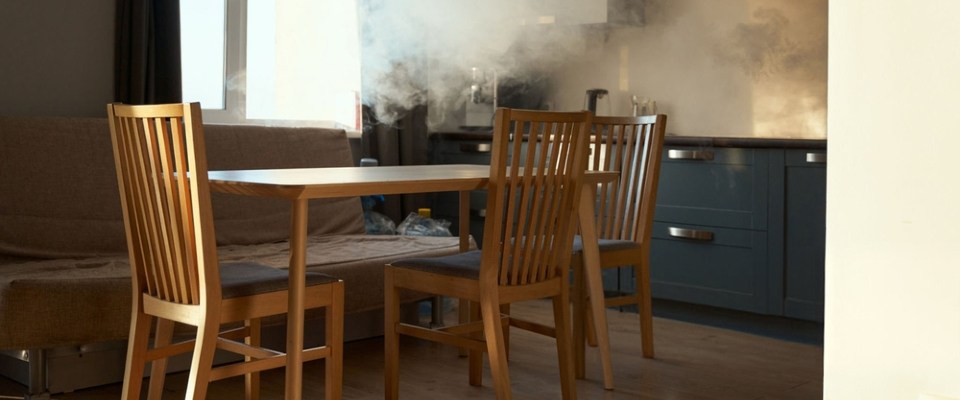
This replaces your belongings if they're damaged or stolen by a covered event, such as:
- Fire or smoke
- Theft or vandalism
- Water damage from burst pipes
- Windstorms
Covered items typically include furniture, clothing, electronics, and kitchenware.
2. Liability coverage
If a guest gets injured in your rental or you accidentally damage someone else's property, liability coverage helps pay for:
- Medical bills
- Legal fees
- Settlements or judgments
This protects your finances, not just the injured person's finances. Liability claims are among the most expensive incidents a renter can face.
3. Loss of use (Additional Living Expenses)
If a covered event makes your rental unlivable, this coverage helps pay for:
- Hotel stays
- Temporary rentals
- Meals and extra living costs
What are the most common risks in Michigan?
Michigan's biggest threats are wind, cold and water. Based on FEMA's National Risk Index, which uses Expected Annual Loss scores on a 0–100 scale, the state's top hazards are:
- Strong wind: 96
- Tornado: 94
- Cold wave: 93
- Winter weather: 84
- Inland flooding: 79
For renters, these hazards translate into property damage, temporary displacement, and surprise expenses, often in the dead of winter.

How these risks affect renters insurance claims
Here's how a standard Michigan policy handles the state's most likely events:
- Wind and tornado damage: Damage from strong wind, tornadoes, and hail is generally covered under standard renters insurance, including belongings damaged when wind damages items in your home.
- Winter and cold-weather damage: Losses from burst pipes that freeze, plus fire and smoke from heating equipment, are typically covered. Frozen-pipe water damage is one of the most common winter claims.
- Inland flooding: Standard renters insurance doesn’t cover flood damage from rising water or overflowing rivers. You need a separate flood insurance policy, usually available through the National Flood Insurance Program or a private insurer, for an added cost.
If you live near a river, a lake, or in a low-lying area, don't assume your renters policy has flooding covered. Ask your provider about your options.
Choosing the right renters insurance
When you shop for renters insurance in Michigan, look for providers that offer:
- Simple online enrollment with no phone call required.
- Coverage that meets lease requirements, plus instant proof of insurance you can send your property manager the same day.
- Affordable plans built specifically for renters, not homeowner policies with a higher price tag.
- Easy policy and claims management through an app or website.
- A strong reputation with property managers, since some landlords have preferred providers.
Companies like ResidentShield focus on modern renter needs, with streamlined sign-up and coverage tailored to today's rental market.
Finally, make sure to read the declarations page before you sign, not after. It’s the official summary of what's covered and what's not, so there should be no confusion.
Renters insurance in Michigan is one of the easiest, most affordable ways to protect your belongings and your financial future. It's not required by law, but in a state with hard winters and severe storms, it's a smart move.
With costs just a step above the national average and coverage that protects what matters most, it turns uncertainty into confidence.
Key takeaways:
- About 27% of Michigan households rent, and more than half of those renters carry renters insurance.
- At around $30 a month, coverage costs about 2.2% of average rent, a small price for protecting thousands in belongings.
- Michigan's wind, tornado, and winter-weather risks are among the highest in the nation, and flooding needs a separate policy.
Frequently asked questions
A: Yes. Damage to your belongings from strong wind, tornadoes, and hail is generally covered under a standard renters insurance policy. Damage to the building itself is the landlord's responsibility.
A: No. Standard renters insurance does not cover damage from rising water or floods. If you live near water or in a flood-prone area, you'll need a separate flood insurance policy to protect your belongings.
A: Usually, yes. Water damage to your belongings from a sudden burst pipe is typically covered. Given Michigan winters, this is one of the most valuable protections a renter can have.
A: It depends on the value of your belongings. Most Michigan renters choose between $9,999 and $34,999 in personal property coverage. Create an inventory of what you own and estimate replacement costs to land on the right amount.
Methodology
This article's data was compiled by our analytics team using publicly available housing statistics, insurance industry reporting, aggregated market averages from recent years, and market intelligence provided by our sister company, Yardi Matrix. Cost estimates reflect statewide averages and may vary by city, building type, and coverage limits. All figures are intended for educational purposes and should be used as general guidance when evaluating renters insurance in Michigan.
Sources
- The Insurance Information Institute. Average Homeowners Losses, 2019–2023. https://www.iii.org/table-archive/20887, accessed on September 3, 2026.
- National Association of Insurance Commissioners (May 2025). Dwelling Fire, Homeowners Owner-Occupied, and Homeowners Tenant and Condominium/Cooperative Unit Owner’s Insurance Report: Data for 2022. https://content.naic.org/sites/default/files/publication-hmr-zu-homeowners-report.pdf, accessed on September 3, 2026.
- Lindsay Bishop (Dec 2025). Average Cost of Renters Insurance (2026). https://www.valuepenguin.com/average-cost-renters-insurance, accessed on September 3, 2026.
- US Census Bureau. American Housing Survey (AHS). https://www.census.gov/programs-surveys/ahs/data/interactive/ahstablecreator.html, accessed on September 3, 2026.
- The Federal Emergency Management Agency (FEMA). National Risk Index Data (Dec 2025). https://www.fema.gov/about/openfema/data-sets/national-risk-index-data, accessed on September 3, 2026.