Appliances rarely stop working without warning. A refrigerator may start humming longer than usual, a dryer may need two cycles, or a dishwasher may leave dishes cloudy. Paying attention to these small changes and keeping appliances clean can prevent bigger problems, save electricity, and help keep your household running smoothly.
For renters, good appliance maintenance also means knowing which simple tasks you can handle yourself and when to ask your property manager for help. Here's everything you need to know.
Check your lease before doing any maintenance
Start by reviewing your lease or resident handbook, if you have one. These documents may explain which appliance maintenance tasks are your responsibility, such as replacing an accessible air filter, and which tasks the property’s maintenance team handles.
You can usually take care of basic cleaning and upkeep. Repairs involving electrical wiring, gas lines, or plumbing connections should be handled by a qualified professional. Don't take an appliance apart or move a built-in or gas appliance.
If you brought the appliance into the rental, check its manual for cleaning instructions and recommended maintenance. Using the wrong product or method can damage finishes, seals, and internal components.
Keep your refrigerator clean and cold
A refrigerator needs proper airflow to keep food cold and work efficiently. Avoid packing it too tightly or blocking the vents.
Build these simple habits into your routine:
- Wipe up spills as soon as possible.
- Toss out expired or spoiled food regularly.
- Clean shelves, drawers, and door seals.
- Make sure the door closes completely.
- Report water pooling inside or under the refrigerator.
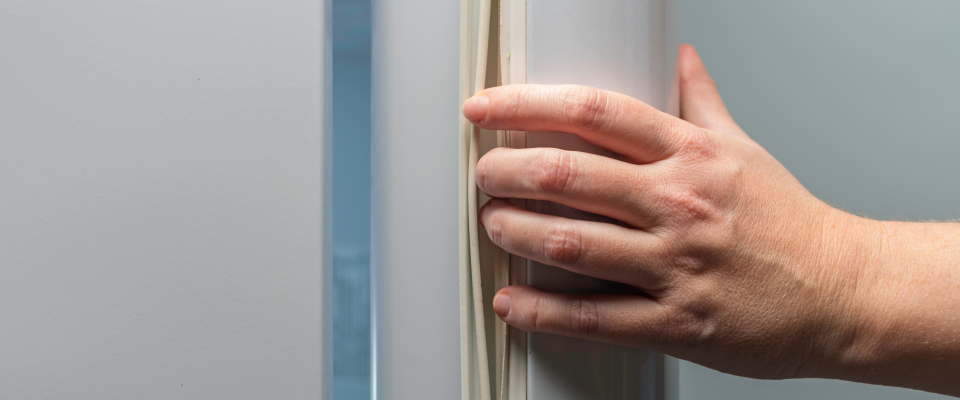
Check the rubber seal around the door for food residue or damage. A dirty or loose seal may allow cold air to escape, forcing the refrigerator to work harder. Clean it gently with warm water and mild dish soap.
An inexpensive appliance thermometer can help you confirm that the refrigerator stays at 40°F or below and the freezer at 0°F, as recommended by the U.S. Food and Drug Administration. Report persistent temperature changes, water pooling inside the unit, or unusually loud sounds.
Prevent buildup in the dishwasher
Food particles, grease, and mineral deposits can affect dishwasher performance. A little routine cleaning can help prevent odors, cloudy dishes, and drainage problems.
To keep your dishwasher in good condition:
- Scrape large pieces of food from dishes before loading them.
- Clean the removable filter according to the manufacturer’s instructions.
- Wipe around the door gasket.
- Check that the small holes in the spray arms remain clear.
- Use only detergent designed for dishwashers.
Let the interior dry after a cycle by leaving the door slightly open for a short time, if the manufacturer allows it. Report standing water, recurring odors, or leaks instead of repeatedly running the appliance.
Use the oven and stove with care
Clean spills once the oven or cooktop has cooled. Grease and food buildup can create smoke, odors, and uneven heating. Use cleaners and tools approved for the surface because abrasive products can scratch glass cooktops or damage protective finishes.
Keep gas burner openings free of crumbs, but never adjust the burner, connector, or gas line yourself.
If you smell gas, leave the apartment immediately without turning lights or electronics on or off. Once outside, call 911 or your gas provider and notify property management. The Consumer Product Safety Commission warns that gas appliance connectors should only be inspected or replaced by qualified professionals.
For an electric stove, report burners that spark, heat unevenly, or don’t sit properly. Stop using an oven if it produces an electrical smell, visible sparks, or unexpected smoke.
Clean the dryer lint filter every time
Removing lint is one of the most important appliance maintenance habits. Clean the lint filter before or after every load and never operate the dryer without it. Lint buildup can reduce airflow, extend drying time, and increase the risk of fire.
You should also watch for:
- Clothes that remain damp after a normal cycle
- A dryer that becomes unusually hot
- A burning smell
- New rattling, grinding, or banging sounds
- Lint collecting behind or around the machine
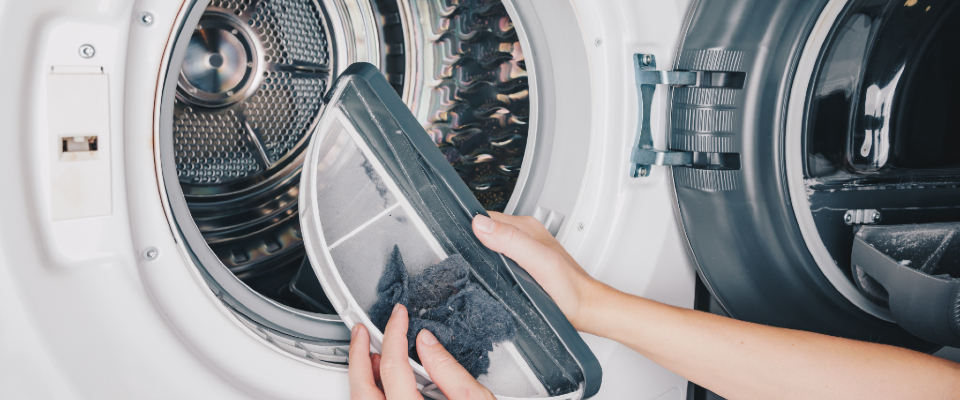
The U.S. Fire Administration also recommends checking that the vent behind the dryer is not crushed, damaged, or restricted. In a rental, ask maintenance to inspect or clean the vent rather than pulling the dryer away from the wall yourself.
Stop using the dryer and submit a maintenance request if it smells like burning, begins to overheat, or takes much longer than usual to dry clothes.
Protect the washing machine
Overloading a washer can strain the motor, prevent clothes from getting clean, and make the machine shake. Distribute clothing evenly and use the correct amount of detergent for the washer type.
After each cycle:
- Remove wet clothes promptly.
- Check the drum for small items.
- Wipe moisture from the door and rubber gasket.
- Leave the door or lid open if the manufacturer allows it.
- Look around the machine for water or damp flooring.
Report even a small leak quickly. Water can damage flooring, walls, and belongings long before the problem becomes obvious.
Remember smaller appliances and HVAC equipment
Microwaves, garbage disposals, and heating and cooling systems also need basic upkeep. Here are a few habits that can help:
- Wipe microwave spills before they harden.
- Stop using a microwave with a damaged door or latch.
- Never put your hand or utensils inside a garbage disposal.
- Keep objects away from air vents and heating units.
Replace your HVAC filter if your lease assigns that task to you. Use the filter size and replacement schedule recommended by property management. Leave internal HVAC cleaning and repairs to a professional.
Know when to submit a maintenance request
Some issues go beyond basic upkeep. Contact property management when an appliance:
- Leaks water or gives off a burning or gas odor.
- Sparks, smokes, or repeatedly trips a breaker.
- Stops heating, cooling, draining, or spinning correctly.
- Makes new grinding, banging, or buzzing sounds.
- Has a damaged cord, plug, door, hose, or control panel.
Explain what happened, when it started, and how often it occurs. Photos or a short video may help the maintenance team understand the problem.
You don't need technical repair skills to take good care of the appliances in your rental. Keep them clean, use them as directed, pay attention to any warning signs, and report anything unusual.
Key takeaways:
- Review your lease to understand which maintenance tasks may belong to you.
- Clean refrigerator seals, dishwasher filters, and dryer lint screens regularly.
- Report leaks, unusual sounds, sparks, and odors as soon as you notice them.
- Leave electrical, gas, plumbing, and internal appliance repairs to professionals.